Helping You Grow Your Faith

Helping You Grow Your Faith

RIGHTEOUSNESS THROUGH FAITH AND THE HOLY SPIRIT

LIVING IN THE LIGHT OF GRACE AND LOVE

In the journey of faith, the awakening of the Holy Spirit within us is a transformative experience that invites us into a deeper understanding of righteousness in Christ. The spiritual laws of faith, grace, love, and obedience are not mere guidelines; they are the very essence of our relationship with God. These laws activate the Spirit’s power, drawing us closer to the heart of the Father and aligning our lives with His divine will.

Faith is the foundation upon which our spiritual lives are built. It beckons us to trust in God’s promises, embracing the assurance that the Holy Spirit is at work within us, guiding our steps. As we cultivate a life of faith, we begin to see how the Spirit responds to our trust with abundant grace. It is through grace that we are empowered to rise above our shortcomings, reminding us that our righteousness is not dependent on our actions but on the redemptive work of Christ. This grace compels us to extend love, not only to God but to those around us, creating a ripple effect that transforms our community.

Love, in its purest form, is the culmination of the laws that guide us. It is the essence of our obedience, leading us to serve, uplift, and encourage one another. The Holy Spirit instills in us a desire to reflect God’s love, allowing it to flow through our words and actions. In moments of difficulty, it is love that strengthens our resolve to obey God’s Word, assuring us that we are never alone in our struggles. By walking in this love, we illuminate the path for others, inviting them to experience the same joy that comes from a life anchored in Christ.

Obedience, often misunderstood, is simply the fruit of our love for God. It is not an act of compliance, but rather an expression of gratitude for the grace we have received. The Spirit empowers us to align our desires with God’s heart, transforming our intentions into actions that glorify Him. As we surrender to the Spirit’s leading, we discover that obedience is not burdensome; instead, it becomes a delightful journey of growing closer to our Creator.

As we navigate our spiritual path, it is essential to reflect on how we are activating these spiritual laws in our lives. Are we intentionally walking in faith, allowing it to spur us to rely on grace? Are we expressing love in tangible ways, and are we wholeheartedly embracing a lifestyle of obedience? Each question provides an opportunity for introspection and growth. There is always room for us to deepen our understanding of how the Holy Spirit longs to work within us, propelling us toward the fullness of life in Christ.

Let us invite the Holy Spirit to illuminate our hearts, revealing areas where we may need to shift our focus. When we yield to the Spirit, we become instruments of His peace and love in a world that desperately needs it. Remember, it is through the laws of faith, grace, love, and obedience that we can walk in the transformative power of the Spirit, reflecting the righteousness that we have in Christ. Embrace this journey joyfully, knowing that each step taken in faith draws you closer to the glorious life that God has called you to live.

This prayer read out loud is a powerful declaration of God's promises, inviting You to step into the fullness of Your identity in Christ, walking by faith, empowered by the Spirit. I trust it will bless and uplift You!
🙏

Heavenly Father,
With deep gratitude, I come before You in the mighty name of Jesus. Thank You for Your boundless love and grace, which You have poured out abundantly upon us through Your Son, our Savior. Thank You for the precious gift of the Holy Spirit, who dwells within us, teaching us, guiding us, and empowering us to walk in righteousness by faith.

I pray for every heart that reads these words today. Lord, I ask that Your Spirit stir within them in powerful and life-changing ways. May they experience the law of the Spirit of life in Christ Jesus, breaking every chain that binds them to sin and fear. May the law of love become the foundation of their every thought, word, and action, so that they live out the truth of Your Word with boldness and compassion.

I declare, by the authority of Jesus Christ, that faith will arise in their hearts like a mighty river, overcoming every doubt and fear, and causing them to walk in victory. I pray that they will feel the overwhelming love of God, and that this love will transform them from the inside out, making them more like Christ in every way.

I release the power of grace over their lives, that they might walk in freedom, knowing they are not bound by the law but are empowered by the Spirit of grace. May they see the beauty of the New Covenant, written not on stone but upon their hearts, as they are led daily by the Holy Spirit in truth, obedience, and peace.

Lord, I thank You for the righteousness they have in Christ. May they grow ever closer to You, fully embracing the work of the Holy Spirit in their lives. Let Your Spirit lead them into deeper intimacy with You, revealing the fullness of Your love and truth. May they bear much fruit for Your kingdom, shining brightly as lights in this world.

In Jesus’ precious name,
Amen.

Righteousness in Christ by faith; we know the laws that evoke the Holy Spirit within us.

Helping You Grow Your Faith: Righteousness in Jesus by Faith—The Laws that Evoke the Holy Spirit Within You.


Introduction

Brothers and sisters, in Christ, we must first recognize that salvation and righteousness are not based on our works, nor are they secured through our striving. No. Our righteousness comes only through faith in Jesus Christ (Romans 3:22). This faith, rooted in His finished work on the cross, transforms us. It invites the Holy Spirit to dwell within us, guiding us, leading us into truth, and empowering us to live the life God has called us to live.

In this message, I want to focus on the laws—the spiritual principles—that, when understood and applied, awaken the Holy Spirit’s power in our lives. These are not laws that constrain us but are instead the divine principles of freedom in Christ. The Holy Spirit is activated by these laws, and as we align our hearts with them, we grow in righteousness. These principles are not burdensome; they are the lifeblood of the new life we have in Jesus. So, I ask you: Do you know the laws that provoke the Holy Spirit to work within you? If you don’t yet, this message is for you.


1. The Law of Faith

Scripture: “For we walk by faith, not by sight.” (2 Corinthians 5:7, KJV)
This is foundational. Faith is the law that governs our walk in Christ. Faith in His finished work on the cross, faith in His promises, and faith in the new life He gives us through the Holy Spirit are all essential to our growth. Without faith, we cannot please God (Hebrews 11:6). Faith activates everything else in our walk with God. When we live by faith, we acknowledge our dependency on God’s grace, and that is where the Holy Spirit begins to move mightily in our lives.


2. The Law of the Spirit of Life in Christ Jesus

Scripture: “For the law of the Spirit of life in Christ Jesus hath made me free from the law of sin and death.” (Romans 8:2, KJV)
In Christ, there is a law—the law of the Spirit of life. This law is what sets us free from the law of sin and death. It is the supernatural power of the Holy Spirit at work in us, enabling us to live according to God’s will. We are no longer bound by the old law of sin, which brought condemnation and separation from God. Through the Spirit, we are empowered to live holy lives, drawing closer to God each day.

This is no mere theory, dear friends; it is reality. If we align ourselves with the Holy Spirit, His power brings life—life in our thoughts, in our actions, in our relationships, and in our purposes. It is a law of freedom, not of slavery.


3. The Law of Love

Scripture: “Thou shalt love the Lord thy God with all thy heart, and with all thy soul, and with all thy mind, and with all thy strength: this is the first commandment. And the second is like, namely this, Thou shalt love thy neighbour as thyself.” (Mark 12:30-31, KJV)
Love is the law that sums up all the others. The Apostle Paul tells us that love is the fulfillment of the law (Romans 13:10). When the Holy Spirit dwells within us, He cultivates love. It is not a love defined by this world, but a supernatural, self-sacrificial love—first for God and then for others. Love is the greatest evidence that the Holy Spirit is at work in your life. If you struggle with bitterness, unforgiveness, or apathy, the Spirit will transform your heart, allowing love to flow from the deepest parts of your soul.


4. The Law of Grace

Scripture: “For sin shall not have dominion over you: for ye are not under the law, but under grace.” (Romans 6:14, KJV)
Grace is not merely an abstract concept. It is the power of God at work in us. The law of grace is the divine favor that allows us to be forgiven, redeemed, and empowered to live in victory over sin. Under grace, we are not condemned when we fall short; instead, we are uplifted and restored by the mercy of God. This grace is the antidote to guilt, shame, and condemnation. The Holy Spirit is the administrator of grace in our lives, bringing conviction of sin while also bringing comfort and encouragement to rise again.


5. The Law of the New Covenant

Scripture: “But this shall be the covenant that I will make with the house of Israel; After those days, saith the Lord, I will put my law in their inward parts, and write it in their hearts; and will be their God, and they shall be my people.” (Jeremiah 31:33, KJV)
This is the promise of the New Covenant. God no longer writes His laws on tablets of stone, but He writes them upon our hearts through the indwelling of the Holy Spirit. The law of the New Covenant is internal, not external. The Holy Spirit, living within us, teaches us how to obey God, leads us into truth, and empowers us to live out His will. We are no longer dependent on outward laws or rituals; we are led by the Spirit in the fullness of God’s love and truth.


6. The Law of Obedience

Scripture: “If ye love me, keep my commandments.” (John 14:15, KJV)
Obedience is not about legalism; it is a response of love. When we understand the grace of God and the righteousness we have in Christ, obedience becomes a natural outflow of that relationship. The Holy Spirit gives us the strength to obey, even when it is difficult. By walking in obedience to God’s Word, we reflect His glory in our lives, and we align ourselves with the Holy Spirit’s work within us.


Reflective Prayer

Heavenly Father, I thank You for the gift of salvation through Jesus Christ. I thank You for the Holy Spirit, who now dwells within me, empowering me to live a life that is pleasing to You. Help me to walk in the law of faith, to experience the law of the Spirit of life, to live in the law of love, and to continually rely on Your grace. May Your Holy Spirit write Your Word upon my heart and lead me to deeper obedience. Lord, I surrender myself to You today. Let Your Spirit stir within me, causing me to grow and bear fruit for Your kingdom. In Jesus’ name, amen.


Summation

Brothers and sisters, as we grow in our faith, we must understand that the Holy Spirit moves and works within us according to these divine laws. It is not about our effort or striving but about yielding to the transforming power of the Spirit within us. The righteousness we have in Christ is not a result of our works, but it is evidenced in how we live by the Spirit, producing fruit—faith, love, obedience, and grace—that testifies to the world of His power.

The question for you today is this: How well do you understand the laws that provoke the Holy Spirit in your life? Are you walking by faith, living in love, and relying on the grace of God?

Challenge: Reflect on your own life. Are you allowing the Spirit to activate these laws within you? Do you fully embrace the righteousness you have in Christ? Ask God to reveal areas where you need growth. Let His laws guide your steps, and may the Holy Spirit work mightily in you, bringing about a life that glorifies Him.

Stay faithful, stay strong, and always remember: Righteousness is by faith, and the Spirit within you empowers you to live it out.

LIVING IN THE POWER OF THE SPIRIT

The Lordship of Jesus

The Lordship of Jesus

Discover the Transformative Power of Jesus' Lordship

Living Under the Lordship of Jesus

Explore how embracing Jesus’ Lordship can guide every decision and thought, aligning your life with His divine purpose.

The Call to Surrender

Embracing Jesus' Lordship

In the life of a believer, the Lordship of Jesus is not just a concept but a guiding principle. Romans 14:7-10 reminds us that our lives are not our own; we live and die for the Lord. This narrative invites us to reflect on the profound impact of surrendering our will to His. When we ask ourselves, ‘Is this what my Lord Jesus wants me to do or think?’, we open our hearts to His guidance, ensuring that our actions are rooted in faith and righteousness.

Living under Jesus’ Lordship invites us to embrace His teachings in a way that transforms every dimension of our existence, guiding our decisions and shaping our character. Romans 14:23 serves as a solemn reminder that any action taken outside of faith equates to sin, compelling us to synchronize our thoughts and deeds with His divine will.

In this profound exploration of faith and purpose, we are invited to lay down our own narratives and embrace the beautiful uncertainty that comes from trusting in a higher vision, where each step taken in humility aligns us with divine intention and opens our hearts to the transformative power of grace, guiding us to a richness of experience far beyond our limited expectations.

Conversations of the Heart

In the beautiful dance of faith, the Spirit empowers, the Father guides, and Jesus inspires. As we immerse ourselves in Scripture, we align our hearts with divine purpose. Let your life be a reflection of His glory, growing closer to Christ in every step you take.

Aligning Actions with Faith

Living Under the Lordship of Jesus

In every aspect of life, Christians are called to evaluate their actions and thoughts through the lens of their faith. This means consistently asking, ‘Is this what my Lord Jesus wants me to do or think?’ Such a question serves as a guiding principle, ensuring that one’s life is a true reflection of their devotion to Christ. Romans 14:7-10 reminds us that our lives are not our own, but belong to the Lord. By aligning our daily decisions with this truth, we honor the sovereignty of Jesus over all aspects of our existence.

Furthermore, Romans 14:23 emphasizes that anything not done in faith is sin. This underscores the importance of living a life that is fully committed to the teachings of Jesus, where every decision is made with the intention of glorifying God. By continually seeking His guidance, believers can ensure that their lives are a testament to their faith and dedication to the Lordship of Jesus.

Overcoming Spiritual Obstacles

Challenges in Faithful Living

Christians often encounter numerous challenges when striving to live in accordance with their faith. One significant challenge is the constant pressure from societal norms that may conflict with biblical teachings. In a world that often prioritizes self-interest and material gain, maintaining a Christ-centered perspective requires diligence and perseverance.

Another challenge is the internal struggle of doubt and fear, which can hinder one’s ability to fully trust in God’s plan. Romans 14:23 warns against actions not rooted in faith, highlighting the need for unwavering belief in God’s promises. Overcoming these obstacles involves a deep commitment to prayer, scripture study, and fellowship with other believers, which provide strength and encouragement in times of difficulty.

Reflecting on Jesus' Lordship

As you navigate your daily life, consider how the Lordship of Jesus influences your decisions and interactions. Reflect on moments when you have sought His guidance and how that has impacted your actions. Are there areas where you struggle to submit to His will? Take time to pray and ask for strength to align your life more closely with His teachings.

Engage with scripture, such as Romans 14:7-10, to deepen your understanding of what it means to live under Jesus’ Lordship. Consider journaling your thoughts and experiences as you strive to make faith-driven decisions. By regularly reflecting on these points, you can cultivate a life that truly honors and glorifies God.

Scriptures Supporting Jesus' Lordship

Romans 14:7-10

For none of us liveth to himself, and no man dieth to himself. For whether we live, we live unto the Lord; and whether we die, we die unto the Lord: whether we live therefore, or die, we are the Lord’s. For to this end Christ both died, and rose, and revived, that he might be Lord both of the dead and living. But why dost thou judge thy brother? or why dost thou set at nought thy brother? for we shall all stand before the judgment seat of Christ.

Romans 14:23

And he that doubteth is damned if he eat, because he eateth not of faith: for whatsoever is not of faith is sin.

Philippians 2:10-11

That at the name of Jesus every knee should bow, of things in heaven, and things in earth, and things under the earth; And that every tongue should confess that Jesus Christ is Lord, to the glory of God the Father.

Colossians 3:17

And whatsoever ye do in word or deed, do all in the name of the Lord Jesus, giving thanks to God and the Father by him.

1 Corinthians 10:31

Whether therefore ye eat, or drink, or whatsoever ye do, do all to the glory of God.

2 Corinthians 5:15

And that he died for all, that they which live should not henceforth live unto themselves, but unto him which died for them, and rose again.

Galatians 2:20

I am crucified with Christ: nevertheless I live; yet not I, but Christ liveth in me: and the life which I now live in the flesh I live by the faith of the Son of God, who loved me, and gave himself for me.

Ephesians 5:8-10

For ye were sometimes darkness, but now are ye light in the Lord: walk as children of light: (For the fruit of the Spirit is in all goodness and righteousness and truth;) Proving what is acceptable unto the Lord.

Understanding Jesus' Lordship

The Importance of Aligning with Jesus' Will

Living Under the Lordship of Jesus: The Importance of Aligning with Jesus’ Will

“Why do you call me ‘Lord, Lord,’ and do not do what I say?” — Jesus (Luke 6:46)


There is a weighty truth that we, as followers of Jesus, must face squarely: the Lordship of Jesus is not a mere title; it is the defining reality of how we live each moment. His lordship is not something we simply acknowledge; it is something we submit to, deeply and with humility, every moment of our lives. As a disciple, there is no higher call than to live under His authority, and yet, in my own life, I often find myself asking, “Do I truly submit to Him? Is He truly the Lord of every thought, word, and action?”

A Call to Total Alignment

The Apostle Paul makes it clear in Romans 14:7-10 that no aspect of our lives is exempt from the lordship of Jesus. He writes, “For none of us lives for ourselves alone, and none of us dies for ourselves alone. If we live, we live for the Lord; and if we die, we die for the Lord. So, whether we live or die, we belong to the Lord.” Every choice, every decision, no matter how small, should be made in alignment with His will. There is no neutrality in the kingdom of God—either Jesus is Lord, or He is not.

But here’s the profound and often uncomfortable question we must ask ourselves: Is He the Lord of my thoughts? When I decide how to spend my time, how I speak to others, or how I treat my body—do I do so with a consciousness of His authority over me? Do I pause to ask, “Is this what my Lord Jesus would want me to do?” If I do not ask, I risk living out my days in unexamined disobedience.

The Prophetic Challenge of Jesus’ Words

In Matthew 7:21-23, Jesus warns us that not everyone who calls Him “Lord” will enter the kingdom of heaven, but only those who do the will of my Father who is in heaven. He is not simply a Lord of our lips; He is the Lord of our lives, our very beings. The call to follow Him is not a passive statement of belief; it is an active commitment to live out His will in every sphere of life.

Let me invite you into this place of reflection: How many areas of your life are unconsciously exempt from His lordship? Is there an attitude of pride, a relationship, a hidden sin, or even a fear you have that you’re unwilling to surrender to Him?

The Test of Faith: A Heart of Obedience

In Romans 14:23, Paul says, “Everything that does not come from faith is sin.” Think about that for a moment. Every action, thought, and decision must be weighed against the question: “Is this an act of faith?” If I am not fully trusting in Jesus’ leadership over my life, then my action is tainted. If my response to life’s decisions is not filtered through His lordship, then it is, at best, incomplete and, at worst, rebellious.

When I ask myself, “Is this what my Lord wants me to do?” it must be with the understanding that His will is not just a suggestion, but a command. And I must be willing to submit.

Reflections:

  1. Obedience as Worship: To obey Jesus is to honor Him. True worship is not just a matter of singing songs on Sunday—it is a matter of living according to His will every day. Worship flows from a heart fully yielded to His Lordship.
  2. The Unseen Areas of Life: Jesus is not only the Lord of our public lives; He is the Lord of our private lives. What happens when no one is looking? Is He still Lord in those moments?
  3. Living by Faith: When we align our thoughts and actions with Jesus’ will, we are living by faith. If our actions do not spring from faith in His goodness, wisdom, and authority, then they are actions that miss the mark.
  4. The Call to Discipleship: Jesus’ call to discipleship is a call to deny oneself, take up the cross, and follow Him (Luke 9:23). This is not a half-hearted commitment; it is an all-in submission to His will.

Discussion Points:

  • In what areas of life do I struggle to submit fully to Jesus as Lord?
  • How can I develop a daily habit of asking, “What does my Lord want me to do today?”
  • What does the Bible say about the rewards of submitting to Jesus’ lordship? How can that encourage me in moments of resistance?
  • How do I cultivate a heart of obedience when I don’t feel like it?

Final Challenge:

I invite you to spend some quiet moments reflecting on your life in the presence of Jesus. Ask Him to reveal any area where you are not fully aligned with His will. It might be a thought, a relationship, or an area of your behavior that needs to be submitted to His Lordship. Repent if necessary, and surrender it to Him, for there is no greater peace than knowing we are living fully in the will of our Savior.

Consider this: If Jesus truly is the Lord of your life, then everything you do should reflect that truth. This is a high calling, but it is one that leads to abundant life. And remember, the greatest joy of being a disciple of Jesus is not merely in following His commands, but in realizing that in doing so, we find the very purpose and fulfillment for which we were created.

Challenge:

Ask yourself today—Is Jesus truly the Lord of every area of my life? Let that question stir you to action. The path of obedience is narrow, but it leads to life eternal. Let us walk it together, fully surrendered to the will of our King.

Live Under the Lordship of Jesus

Reflect on your daily actions and thoughts. Are they aligned with the teachings of Jesus? Take a moment to pray and seek guidance on how to better align your life with His will. Remember, every decision should reflect His Lordship in your life. Let your faith guide you in every step, ensuring that your actions glorify God.

Living Under the Lordship of Christ:

SCRIPTURAL EVIDENCE FOR THE LORDSHIP OF JESUS

Living Under the Lordship of Christ: Scriptures Supporting Jesus’ Lordship

“For to this end Christ both died, and rose, and revived, that He might be Lord both of the dead and living.” — Romans 14:9


In the journey of faith, we often encounter moments of introspection that challenge our understanding of what it truly means to follow Christ. The call to submit to His lordship can be daunting, yet it is also liberating. Imagine waking each day with a heart that is fully surrendered to His guiding hand. This is not merely an act of obedience; it is an invitation to experience the fullness of life as He intended.

Every thought, every word, and every action becomes an opportunity to reflect His love and grace. We are invited to explore the depths of our hearts and examine the areas where we resist His authority. Are we holding back certain aspects of our lives? Are we reluctant to trust Him with our fears, desires, and dreams? Consider this: when we relinquish control, we don’t lose our identity; instead, we find it in Him.

Living under the lordship of Jesus transforms our relationships and reshapes our ambitions. It calls us to see the world through a lens of compassion and humility. It urges us to serve rather than be served, to seek the welfare of others alongside our own. This radical shift in perspective can inspire us to be agents of change in a world that desperately needs His light.

Reflect on the moments that stir your heart in prayer or worship. In those sacred instances, you may find your spirit yearning for His presence and guidance. It is in these encounters that our submission deepens, allowing His truth to permeate every aspect of our lives. As we journey together in faith, let us encourage one another to be bold in our commitment to His lordship. How might your life reflect His glory today? What small steps can you take to invite Him into your everyday decisions?

As followers of Christ, we stand on the promises of His word. We need not fear the surrender of control, for it leads us to abundant life both now and in eternity. May we continually seek His kingdom, knowing that through our submission, we are not only acknowledging His authority but also embracing the transformative power it holds. Let us walk boldly, trusting in His goodness, and live as authentic reflections of His love in a world that longingly awaits the hope we carry.

The scriptures are filled with explicit declarations of Jesus’ Lordship, inviting us to align our thoughts, actions, and desires under His perfect reign. These passages are not simply historical assertions; they are commands to His followers—commands to bow the knee, to confess with our mouths, and to live out the reality of His dominion in every area of our lives.

Let us explore these powerful truths, looking deeply into each passage that supports and amplifies the reality of Jesus’ Lordship.


1. Romans 14:7-10 — Living Unto the Lord

“For none of us liveth to himself, and no man dieth to himself. For whether we live, we live unto the Lord; and whether we die, we die unto the Lord: whether we live therefore, or die, we are the Lord’s.” (Romans 14:7-8)

This is a radical claim of allegiance. The Christian life is not a life of isolated self-determination. From the moment we are saved, our lives are no longer our own. Whether in life or in death, we belong to Jesus. His Lordship governs not just our actions, but the very span of our existence. Every breath, every thought, every moment is to be offered up as an act of devotion to the One who holds authority over both the living and the dead.

In verse 10, Paul takes this a step further: “For we shall all stand before the judgment seat of Christ.” This judgment is not just a future event; it is an ongoing reality. The Lordship of Jesus demands that we continually live in light of the judgment to come—considering each action, word, and thought as subject to the gaze of our King.

Discussion Points:

  • How does the awareness that “whether we live or die, we are the Lord’s” shape the way we face daily challenges?
  • In what ways do I live as though I belong to myself rather than to Jesus?
  • How can the reality of standing before Christ’s judgment seat today shape my decisions now?

2. Romans 14:23 — The Call to Faith and Obedience

“And he that doubteth is damned if he eat, because he eateth not of faith: for whatsoever is not of faith is sin.” (Romans 14:23)

Paul asserts that every action, no matter how seemingly mundane, must be undertaken in faith. For it to be acceptable before God, it must spring from a heart that recognizes Jesus’ Lordship. If we act without faith, if we do not acknowledge His authority in our choices, then we have sinned. The Lordship of Christ demands that our actions be rooted in trust and obedience to Him.

Discussion Points:

  • What does it mean to act “in faith” in the everyday moments of life?
  • Are there areas in my life where I am acting without faith in Jesus’ Lordship?
  • How do I cultivate a faith that permeates every part of my life, big and small?

3. Philippians 2:10-11 — Every Knee Shall Bow

“That at the name of Jesus every knee should bow, of things in heaven, and things in earth, and things under the earth; And that every tongue should confess that Jesus Christ is Lord, to the glory of God the Father.” (Philippians 2:10-11)

These verses are a grand declaration of the universal Lordship of Christ. Whether now or in the future, every creature will acknowledge that Jesus is Lord. This cosmic reality stretches across all realms—heaven, earth, and even the underworld. There will come a day when all will bow before Him in recognition of His ultimate authority.

This is not a hypothetical future event but a certainty that every believer is called to embrace right now. As followers of Christ, we are invited to bow our knees today in surrender, recognizing that Jesus’ authority extends beyond the spiritual realm and governs every part of creation.

Discussion Points:

  • How does it impact my life today to know that all creation will eventually acknowledge Jesus as Lord?
  • What does it mean for me personally to “bow” before Jesus now, and how can I live out that submission?

4. Colossians 3:17 — Living in His Name

“And whatsoever ye do in word or deed, do all in the name of the Lord Jesus, giving thanks to God and the Father by him.” (Colossians 3:17)

This is a radical call to live every moment, every interaction, every decision in the name of Jesus. His Lordship is not a distant, abstract concept; it must permeate everything we do. Whether we speak or act, it is to be done under the authority of Christ. This is the essence of what it means to live as a disciple—every word and deed is to be a reflection of His character, His mission, and His will.

Discussion Points:

  • What would it look like for my entire life to be done “in the name of the Lord Jesus”?
  • How can I be more intentional in aligning my actions and words with His will?

5. 1 Corinthians 10:31 — All for God’s Glory

“Whether therefore ye eat, or drink, or whatsoever ye do, do all to the glory of God.” (1 Corinthians 10:31)

This verse reinforces the centrality of God’s glory in all things. It speaks directly to the Lordship of Jesus, as every action—no matter how ordinary—must be done for His honor. When we understand that Jesus is Lord, we begin to recognize that our lives are not our own, but exist to bring glory to God.

Every area of life, from eating and drinking to work and leisure, is an opportunity to reflect the glory of God. This includes the most mundane tasks, which when offered to God, become sacred acts.

Discussion Points:

  • How can the practice of doing everything for God’s glory shape my daily life?
  • Are there any areas of life where I am not bringing glory to God? How can I change that?

6. 2 Corinthians 5:15 — Living for Him Who Died for Us

“And that he died for all, that they which live should not henceforth live unto themselves, but unto him which died for them, and rose again.” (2 Corinthians 5:15)

This verse brings us face to face with the heart of the gospel. Jesus’ death was not just for our salvation—it was for our transformation. Because He died for us, we are no longer to live for ourselves. Our lives are to be lived for the One who gave Himself for us, the One who is now our Lord.

Living for Jesus means we live out of gratitude for His sacrifice, responding with complete devotion to His will. Our lives, therefore, must be a reflection of His death, resurrection, and the ongoing work of His lordship in our hearts.

Discussion Points:

  • How can I live in response to the sacrifice Jesus made for me?
  • What does it look like to die to myself and live for Him daily?

7. Galatians 2:20 — Crucified with Christ

“I am crucified with Christ: nevertheless I live; yet not I, but Christ liveth in me: and the life which I now live in the flesh I live by the faith of the Son of God, who loved me, and gave himself for me.” (Galatians 2:20)

Paul’s declaration is the heart of the Christian life—”I am crucified with Christ.” This is a statement of complete surrender to the Lordship of Jesus. To be crucified with Him means that our old self, our selfish desires, our autonomous life has died with Him on the cross. And in place of that old self, Christ now lives in us. We no longer live for ourselves, but for Him who loved us and gave Himself for us.

Discussion Points:

  • How can I experience the reality of being “crucified with Christ” in my daily life?
  • What does it mean to allow Christ to live in and through me?

8. Ephesians 5:8-10 — Walking in the Light of the Lord

“For ye were sometimes darkness, but now are ye light in the Lord: walk as children of light… Proving what is acceptable unto the Lord.” (Ephesians 5:8-10)

This passage calls us to live as children of light, to walk in a way that reflects the Lordship of Jesus in all our actions. The life we now live is no longer marked by darkness or sin; it is marked by the light of Christ, a light that directs us in all that is good, righteous, and true. As followers of Christ, we are to prove what is acceptable to the Lord—this is a life of constant reflection, discernment, and obedience to His will.

Discussion Points:

  • How do I walk as a child of light in a world full of darkness?
  • In what ways can I prove what is acceptable to the Lord in my daily decisions?

Final Challenge:

As we meditate on these scriptures, we are reminded that Jesus is not just a Savior who offers us grace; He is the reigning Lord who demands our submission. To live under His Lordship is to surrender every part of our being to Him—our thoughts, our actions, our plans, our very lives.

The question for each of us is: Are we truly living as though Jesus is Lord? Are we bowing the knee today, in anticipation of the day when every knee will bow? Take time today to reflect on these verses and ask God to show you areas of your life where His Lordship needs to be more fully realized. May we all live for Him who died for us, bringing glory to His name in everything we do.

YIELD TO THE AUTHORITY OF JESUS

Prayer of Surrender to the Lordship of Jesus

Beloved, as you read this prayer, know that it is a call to the depths of your heart, an invitation to yield fully to the authority and love of our Savior, Jesus Christ. Let your spirit open wide as you hear His voice speaking to you today.


Lord Jesus,

We come before You now, not as strangers or distant observers, but as those who have been called by Your name, redeemed by Your blood, and invited into the glorious freedom of Your lordship. We bow our hearts, our minds, and our lives before You, acknowledging that You are not just Savior, but King—our King, forever and ever.

Father, we confess that there are moments when we forget that we live unto You, that every breath we take, every thought we think, is meant to reflect Your glory. Forgive us, Lord, for the times we have wandered from Your ways, for the moments we have acted as though we were in charge, as though we could live apart from Your guiding hand. But today, in this sacred space, we surrender afresh.

Jesus, You are Lord.

We yield to You, Lord, in every way. We give You our hearts, our desires, our dreams. We surrender our time, our talents, our treasures—our very lives, knowing that nothing belongs to us. You have purchased us with the price of Your blood, and now, we choose to live for You alone.

Let Your lordship reign in every corner of our lives. Jesus, we ask that You would be the Lord of our thoughts—let our minds be fixed on You and Your will. Be the Lord of our speech—let every word we speak be seasoned with grace, reflecting Your truth and love. Be the Lord of our actions—let every step we take be in alignment with Your heart.

We hear Your call, “Why do you call me ‘Lord, Lord,’ and do not do what I say?” Today, we choose to walk in obedience, to surrender our will to Yours, to trust that Your ways are higher and better than our own. We choose to walk as children of light, proving what is acceptable to You, reflecting Your goodness, righteousness, and truth in all that we do.

Lord, we lay down our fears, our distractions, and our self-made plans. We offer them at Your feet. Let the joy of surrender fill us to overflowing. May our lives be an offering of praise, a living sacrifice, holy and pleasing to You.

Jesus, You are Lord.

We invite You, Lord, to have Your way in us. Lead us in paths of righteousness for Your name’s sake. Mold us, shape us, and refine us according to Your will. May we be vessels of Your glory, instruments of Your peace, and witnesses of Your love in a world desperately in need of the light You shine through us.

And as we surrender, we rejoice, for we know that there is no greater freedom than to live under the rule of a loving and sovereign King. No greater joy than to be found in the will of the One who loves us with an everlasting love.

Jesus, You are Lord.

We bless You, we honor You, and we declare, with all creation, that You are the King of kings, the Lord of lords, the One to whom we owe everything. Have Your way in us, Lord. Lead us deeper into Your love, deeper into Your truth, and deeper into the joy of Your lordship.

In Your precious and powerful name, we pray. Amen.


Reflection:
As you finish this prayer, take a moment to rest in His presence. Consider areas of your life where He is calling you to surrender more fully. Invite Him to be Lord not just in words, but in actions. Allow His peace to settle over you, knowing that in His Lordship is the fullness of life.

What insights does the Bible provide regarding the power and authority inherent in the name of Jesus?

As a teacher who is deeply passionate about the power contained within the name of Jesus, I invite you to reflect with me on the profound implications this has for our faith and lives. What does it truly mean to invoke the name of Jesus, and how does it shape our understanding of authority?

When Jesus assured us that whatever we ask in His name, He will do, it was a declaration of divine potential and spiritual authority that extends far beyond mere words. This promise found in John 14 is not just a comforting thought; it’s an empowering truth that calls us into a deeper relationship with Him. The name of Jesus becomes our access point to the very heart of God, a bridge that connects our needs and desires with His perfect will.

In Psalm 83 verse 18, we see a striking affirmation of God’s identity—He is truly sovereign and worthy of reverence. This verse encourages us to recognize the weightiness of His name and the unity it brings among believers. When we honour the name of Jesus, we find ourselves part of a greater narrative, one that transcends our personal struggles and taps into a collective pursuit of truth and purpose.

Authority is a multifaceted concept in the scriptures. Take a moment to consider the various ways Jesus illustrated authority throughout His ministry. In Matthew 8, we witness the centurion’s plea for healing, highlighting that Jesus’ authority extends beyond geographical limitations—it is a divine authority that commands obedience in both the physical and spiritual realms.

When Jesus taught, He did so with a sense of authority that astonished those around Him. Unlike the teachers of the law, He spoke as one who embodied the truth, imparting wisdom that challenged the status quo. His authority was not one of oppression but of liberation, showing us that true power is rooted in service and love rather than dominance.

In a world that often equates authority with control, Jesus redefined our understanding. Even as His disciples sought positions of honour, He reminded them that greatness in His kingdom stems from serving others. Think of the powerful imagery of Him washing the disciples’ feet—a stunning act of humility from the One who holds all authority. This vivid portrayal invites us to embrace a transformative approach to leadership and influence in our own lives.

As we journey through faith, we are reminded that Jesus knew His authority was derived from the Father. This understanding invites us to pause and consider the source of our own authority as believers. Just as Jesus drew strength from His intimate connection with the Father, we too are called to remain rooted in God’s presence, allowing His spirit to guide our actions and decisions.

The Great Commission in Matthew 28 is a thrilling invitation; Jesus empowers us to be bearers of His name and authority, dispatching us to share the good news with the world. This is not merely about a title or recognition but about carrying forward the mission of love and redemption He exemplified.

As you contemplate the power and authority in the name of Jesus, remember that it invites you into a relationship characterized by faith, service, and unity. Embrace this transformative journey, allowing His name to resonate in your heart and empower your actions as you navigate the complexities of life. Together, let us lift high the name of Jesus and reflect His authority through our love and service to others.

What does the Bible say about the authority of the name Jesus?

In the echoes of His teachings, we find a profound reminder that the power of Jesus’ Name transcends the ordinary, inviting us into a realm where every burden is lifted and every obstacle is overcome, empowering us to live boldly in faith and share His love with the world, transforming lives with the extraordinary strength that only His authority can provide.

The Power of Asking in His Name: A Prayer of Faith and Glory

“If you ask anything in My name, I will do it, that the Father may be glorified in the Son.” — John 14:13


When we consider the profound promise Jesus made to His disciples—and to us—about asking in His name, we are confronted with a truth that can either empower or challenge us deeply. Jesus did not say, “If you ask anything, I might respond.” He said, “I will do it.” This is a staggering declaration that opens up a world of possibility and invites us into a deeper relationship with the Father through the Son.

As we ponder this powerful promise, we must remember the context in which Jesus spoke it. These words were spoken to His disciples after the cross, after His sacrifice had been completed and the veil of separation between God and humanity had been torn in two. It is no longer a distant, unreachable God we speak to when we pray; it is our Father, made accessible to us by the Son. Through Jesus, we are granted the privilege of approaching the throne of grace with confidence. But what does it truly mean to ask in His name, and why does this promise hold such weight?


1. Asking in His Name: A Shift in Authority

When we ask for something “in His name,” we are not merely using His name as a tagline at the end of our prayers—“In Jesus’ name, Amen.” No, this is far more profound. To ask in His name is to align our requests with His will, His purpose, and His glory. It means we ask for the things that honor the Father, that reflect the heart of Jesus Himself.

Jesus, in His earthly ministry, always sought the glory of the Father. He prayed, “Father, glorify Your name.” And when the Father responded, “I have glorified it, and will glorify it again” (John 12:28), it was a profound declaration that everything Jesus did was for the glory of God. This is the model He gives us: to ask in His name is to ask in alignment with God’s will, to ask for what brings glory to the Father through the Son.

In practical terms, to ask in Jesus’ name means we are seeking the things that Jesus Himself would seek. It’s not about personal gain, selfish desires, or fleeting comforts. It’s about His kingdom, His will, His glory. And when we ask with this perspective, we find that our desires begin to shift. Our prayers become more in tune with the heart of God, and the requests we make are those that will bring forth His power, His purpose, and His presence in a way that magnifies His glory.

Discussion Points:

  • What does it mean for you personally to ask in Jesus’ name? How does this change your understanding of prayer?
  • How can you ensure your requests reflect God’s glory and not just your own desires?
  • Are there areas of your life where you are asking in ways that may not align with God’s will or glory?

2. The Role of Faith in Our Asking

Jesus also gives us a powerful qualifier to this promise: “If you ask anything in My name, believing, you will receive.” (Matthew 21:22). Faith is the essential ingredient. To ask in His name is not just to use a formula or to simply utter His name at the end of a prayer—it is to ask with trust, with confidence, and with the assurance that God will answer.

Faith is not a blind hope; it is a deep-rooted confidence in the character and goodness of God. It is trust that God will always respond in ways that are for our good and for His glory, even when we cannot see or understand how He will answer. To ask in faith is to come before God knowing that He is both willing and able to do what we ask, as long as it aligns with His will and brings honor to His name.

In the same way that Jesus prayed with absolute trust in the Father, we are called to pray with the same heart of surrender and faith. We must ask, not doubting His ability, but trusting that He is good and that His ways are always perfect. Faith opens the door for God to work powerfully in our lives, and when we ask in faith, we give God room to move.

Discussion Points:

  • What does it look like to pray in faith? How can you build a deeper trust in God’s ability to answer your prayers?
  • Are there areas where you have struggled to ask in faith? How can you surrender those doubts and trust in His perfect timing?
  • How does your understanding of God’s goodness influence your prayers?

3. Jesus’ Promise: A Guarantee of Response

Jesus’ promise is not vague or conditional—it is a guarantee. “Whatever you ask in My name, I will do it.” The key here is not merely the asking, but the asking in faith and in alignment with His will. Jesus will not only hear our requests, but He will respond. This is a promise that should stir our hearts with hope and expectancy.

It is important to understand that Jesus’ promise does not mean that God will grant us every request we make, as though He is a cosmic vending machine. There are times when God’s answer is “no,” or “wait,” because His wisdom far surpasses our understanding. However, even in those moments, we are invited to trust that God’s response is for our ultimate good and His glory.

When we pray in Jesus’ name, we are inviting God to do what only He can do—work miracles, change hearts, and bring about His will in our lives. We must come with the expectation that He will answer, and that His answer will always be the best for us. As we pray, we are participating in God’s work on earth, aligning ourselves with His kingdom purposes.

Discussion Points:

  • How does the assurance that God will respond to your prayers affect your confidence in prayer?
  • How can you pray with greater expectancy, knowing that God is good and will always respond in the way that is best?
  • Reflect on a time when you received a “no” answer to prayer. How did that shape your understanding of God’s goodness and His perfect plan?

4. The Glory of God Through the Son

The ultimate goal of all prayer, of all asking, is to bring glory to God. Jesus’ promise in John 14:13 is not about fulfilling our personal desires; it is about the glory of the Father being made known through the Son. When God answers our prayers, it is not just for our benefit—it is for the display of His glory.

Consider the incredible reality of what it means for God to be glorified through the answers to our prayers. When we ask in His name, we are part of the story of God’s redemptive work in the world. Every answer—whether yes, no, or wait—is an opportunity to bring glory to God and to testify to His greatness. Our prayers become acts of worship, acts that acknowledge His sovereignty, His wisdom, and His love.

As we grow in understanding the heart of prayer, we begin to see that the most important thing is not what we ask, but that through our asking, God’s glory is made manifest in the world. This is why we pray—not for selfish gain, but to align ourselves with the purposes of God and to invite His kingdom to come on earth as it is in heaven.

Discussion Points:

  • How can your prayers reflect a desire to bring glory to God, rather than simply focusing on your own needs or desires?
  • What does it mean to experience God’s glory through answered prayer? How can you cultivate a heart that rejoices in His glory above all else?

A Prophetic Invitation:

So, I invite you now to lift your heart and your voice to God in prayer, trusting in the name of Jesus, asking in faith, and seeking His glory above all else.

Lord Jesus, we come to You today with hearts full of faith, knowing that when we ask in Your name, You will respond. We thank You for the privilege of coming before You as children, knowing that we do not ask in vain. We ask today for Your will to be done in our lives, for Your glory to be revealed through us. Strengthen our faith, deepen our trust, and align our desires with Yours. We trust that You will answer, not just for our good, but for the glory of the Father through the Son. In Your powerful and precious name, we pray. Amen.


Final Reflection:

As you reflect on this invitation to ask in the name of Jesus, let your heart be stirred with hope and expectancy. Know that when you ask, believing, God will respond. And remember that the ultimate purpose of every request is the glory of God, as His kingdom comes and His will is done on earth as it is in heaven. Keep asking, keep trusting, and keep surrendering to the One who answers with power and love.

Spirit, God, and Jesus

EMBRACING DIVINE TRUTH THROUGH SCRIPTURE

Conversations of the Heart: A Dialogue with the Teacher


Teacher: “Is this decision truly in line with what Jesus desires for me?”

The Word of the Lord: “Remember, My Lordship calls for faith-driven actions. Reflect on Romans 14:23. Whatsoever is not of faith is sin.”

Teacher: “I want my thoughts and actions to honor Him. How do I ensure that?”

The Word of the Lord: “Seek My guidance in prayer and in My Word. Let My words be your compass. Let them lead you in every decision, shaping your thoughts and actions according to My will. Remember, the decisions you make should reflect your trust in Me, not in your own understanding.”


Teacher: “But how do I know if I’m truly hearing Your guidance? There are so many voices and distractions.”

The Word of the Lord: “Be still and know that I am God. Draw near to Me in prayer and meditation on My Word, and I will reveal My will to you. Seek first the Kingdom of God and My righteousness, and all these things will be added unto you.”

Teacher: “It feels difficult at times to discern Your voice, especially when my own desires get in the way.”

The Word of the Lord: “That is the tension of discipleship, to surrender your own will and submit to Mine. When you ask with faith, not doubting, you will receive. Do not lean on your own understanding, but trust in Me with all your heart. In all your ways acknowledge Me, and I will direct your paths.”


Teacher: “But what if I still make the wrong choice? What if I act in a way that doesn’t honor You?”

The Word of the Lord: “My grace is sufficient for thee: for My strength is made perfect in weakness. Even when you stumble, I am faithful to correct you and lead you back. I am not looking for perfection, but for a heart that is fully surrendered. When you walk with Me, I will guide your steps and direct your path. If any man sin, we have an advocate with the Father, Jesus Christ the righteous.”

Teacher: “I want to make sure every action, every word, and every thought brings glory to You. How can I keep that in mind day by day?”

The Word of the Lord: “In all that you do, do all to the glory of God. Let My name be ever before you. Whether therefore ye eat, or drink, or whatsoever ye do, do all in the name of the Lord Jesus, giving thanks to God the Father by Him. Keep My Word in your heart, and it will guide your choices. Remember, I am with you, always, even unto the end of the world.”


Teacher: “I will do my best to align my thoughts, words, and actions with Your will, Lord. Thank You for Your patience and guidance.”

The Word of the Lord: “You are not alone in this. My Spirit is with you, empowering you to live according to My Word. Be encouraged, for I have called you to live a life of faith, and I will finish the work I have begun in you. Continue seeking My will, and you will know the peace that comes from living in full surrender.”


Teacher: “I trust You, Lord. Help me to live fully under Your Lordship, and to reflect Your glory in everything I do.”

The Word of the Lord: “I am with you always, even to the end of the world. I will lead you in paths of righteousness for My name’s sake. Be still, and know that I am God. I will finish the work I have begun in you, as you continue to walk in My truth and trust in My guidance.”

EMBRACING THE DIVINE CALL TO TRANSFORMATION

The roles of the Spirit, God, and Jesus in the life of the believer are distinct, yet deeply intertwined, forming a unity that empowers the believer to live a life pleasing to God. When we consider how these roles interact, especially within the context of the believer as the reader of Scripture, we find that each member of the Trinity plays an essential part in guiding, convicting, teaching, and transforming the believer. Here’s a breakdown of how they function together in the believer’s life:

1. The Spirit’s Role: The Teacher and Convicter

The Holy Spirit serves as the direct presence of God within the believer. His role is foundational in helping the believer understand and apply the teachings of Scripture, which are revealed through the Spirit’s illumination.

  • Illumination and Understanding: The Spirit opens the heart and mind to understand the deep things of God, which can often be beyond human comprehension. “But the Comforter, which is the Holy Ghost, whom the Father will send in My name, He shall teach you all things, and bring all things to your remembrance, whatsoever I have said unto you” (John 14:26). This role as the Spirit of truth means that He takes the teachings of Jesus and applies them personally to the believer’s life.
  • Conviction and Guidance: The Spirit also convicts the believer of sin, righteousness, and judgment (John 16:8). As the believer reads the Scriptures, the Spirit reveals areas of their life where they need to grow, repent, and align more fully with God’s will. The Spirit’s gentle nudge brings a deeper conviction, often inspiring the believer to seek greater surrender and obedience.

2. God the Father: The Source of Authority and Purpose

God the Father is the ultimate source of all revelation and the one who sovereignly ordains the believer’s journey. It is from the Father that all things are designed, and He is the one who gives purpose to all creation, including the life of the believer.

  • Revealing the Father’s Will: As the believer reads Scripture, they are engaging with the Father’s will—His eternal plan for the world and for His children. The Father is the one who spoke the Scriptures through the prophets, and His will is made clear through Jesus Christ, who came to show us the heart of the Father. “All things are delivered unto Me of My Father: and no man knoweth the Son, but the Father; neither knoweth any man the Father, save the Son, and he to whomsoever the Son will reveal Him” (Matthew 11:27).
  • Affectionate Relationship: The believer is called to an intimate relationship with the Father, marked by reverence and love. “For ye have not received the spirit of bondage again to fear; but ye have received the Spirit of adoption, whereby we cry, Abba, Father” (Romans 8:15). The Father, through His Spirit, invites the believer into a deep, personal relationship, where reading Scripture becomes not just an intellectual exercise but an encounter with the living God.

3. Jesus: The Living Word and Example

Jesus, the Son of God, is the revelation of the Father in human form and the one through whom all things were made. He is the ultimate teacher, and as the believer reads the Word, it is as though Jesus Himself is speaking directly to them. Jesus is the Word made flesh, and He is the one who makes God’s will known through His life, death, and resurrection.

  • The Word Made Flesh: As the believer reads Scripture, they are reading the story of Jesus—the one who fulfilled God’s promises and gave His life as a ransom for many. Jesus, through the Scriptures, invites the believer to see life through His eyes and to live according to His example. “In the beginning was the Word, and the Word was with God, and the Word was God. The same was in the beginning with God. All things were made by Him; and without Him was not anything made that was made” (John 1:1-3).
  • The Living Example: Jesus serves as the perfect model for how to live a life pleasing to the Father. As the believer reads about Jesus’ life and teachings, they are called to imitate Him. “For even hereunto were ye called: because Christ also suffered for us, leaving us an example, that ye should follow His steps” (1 Peter 2:21). Jesus is the ultimate guide, showing the believer how to navigate life, relationship, and obedience to God.

The Interwoven Roles in the Believer’s Life

As the believer reads and reflects on Scripture, the dynamic roles of the Father, Son, and Spirit become intertwined, each one contributing to the believer’s spiritual growth.

  • The Spirit enables the believer to understand and apply the Word of God, convicting and transforming the heart. Without the Spirit, Scripture would remain a mystery, like a foreign language that cannot be understood. But through the Spirit’s work, the believer experiences illumination, empowerment, and deep fellowship with God.
  • The Father is the source of all truth, the one who sent Jesus and who reveals His will through Scripture. When the believer reads the Word, they are engaging with the Father’s eternal plan for their lives, seeking to know His desires and align themselves with His purpose.
  • Jesus, as the Word made flesh, is both the ultimate revelation of God and the model for living out the Father’s will. Through the Scriptures, the believer is invited to know Jesus more intimately and to follow His example in every aspect of life.

The Believer’s Role: A Response to the Divine Invitation

The believer, as the reader, is not merely a passive observer but an active participant in this divine exchange. The believer is called to approach Scripture with a heart of faith, desiring to hear from God, to be convicted, and to grow in obedience. It is through the engagement of the mind, heart, and spirit that the believer is transformed.

  • A Heart of Surrender: The believer’s role is to submit to the teaching of the Spirit, to seek the Father’s will, and to follow the example of Jesus. Reading Scripture becomes an act of surrender, where the believer places themselves before God, eager to receive His wisdom and correction.
  • A Life of Obedience: As the believer reads, the response is not just knowledge, but action. The Scriptures are given not only to be studied but to be lived. The life of the believer is to be a living testimony to the power of the Word, as the believer becomes a doer of the Word and not just a hearer (James 1:22).
  • A Journey of Transformation: The believer’s role is not static. As they engage with Scripture, they are continually being shaped and transformed into the image of Christ. The Word is living and active (Hebrews 4:12), and it will not return void but will accomplish the purpose for which it was sent (Isaiah 55:11).

Conclusion

In the end, the roles of the Spirit, God the Father, and Jesus come together to form a dynamic, ongoing relationship with the believer. The Spirit illuminates and empowers the believer, the Father reveals His will and purpose, and Jesus provides the perfect model of obedience and love. The believer, in response, is called to read and reflect on Scripture, allowing these truths to shape their life and align them more closely with God’s will. In this sacred exchange, the believer becomes more and more conformed to the image of Christ, living a life that reflects the glory of God in all things.

Explore Ready Writers in Faith and Fellowship

NURTURING FAITH THROUGH COMMUNITY CONNECTION

ILLUMINATING LIVES THROUGH SCRIPTURE STUDY

As we journey through life, we often seek guidance, comfort, and wisdom in the pages of Scripture. The act of studying the Word is not simply an intellectual exercise but a transformative experience that reveals the heart of God. It invites us into a dialogue with our Creator, one that nurtures our spirit and equips us to navigate the complexities of life. The psalmist beautifully conveys this in Psalm 119, where he declares, “Your word is a lamp to my feet and a light to my path.”

In engaging with Scripture, we must remember that it presents not just historical narratives or moral teachings but the very essence of God’s character. As we meditate on His Word, we open ourselves to the work of the Holy Spirit, who illuminates our understanding and stirs our hearts to align with God’s purpose. This is echoed in John 14, where Jesus promises the Helper, the Spirit of truth, to guide us into all truth.

Furthermore, the transformative power of Scripture is evident when we allow it to deeply penetrate our hearts, reshaping our thoughts and actions. The process of renewing our minds, as outlined in Romans 12, underscores the importance of intentional engagement with the biblical text. It is through this renewal that we can discern what is good and pleasing to God, empowering us to live out our faith with authenticity and passion.

As we gather together in faith and fellowship, let us encourage one another to delve deeper into the richness of God’s Word. Our shared insights and experiences can illuminate the path for others, fostering a community rooted in truth and love. In studying together, we fulfill the instruction found in Colossians 3, to let the word of Christ dwell in us richly, teaching and admonishing one another in all wisdom.

In summary, Scripture is a divine gift that continually shapes us, guiding our thoughts, actions, and relationships. It is not just for personal edification but also for communal growth, as we seek to live out the calling God has placed on each of us. So let us approach the Scriptures with open hearts, ready to receive His wisdom and share it generously with others. In doing so, we reflect the light of Christ in a world that so desperately needs hope and truth.

DISCOVERING TRUTH THROUGH SCRIPTURE

ENGAGING WITH THE LIVING WORD

As I reflect on the power and significance of the Scriptures, I am compelled to invite you into a deeper exploration of what it means to truly engage with the Word. In 2 Timothy 3:16-17, we read that all Scripture is God-breathed and useful for teaching, rebuking, correcting, and training in righteousness. This passage highlights not just the nature of Scripture, but its transformative purpose in our lives. Each verse serves as a guide, illuminating the path we walk and shaping our understanding of God’s character and His will for us.

Have you ever experienced a moment where a particular verse seemed to speak directly to your situation? It is through this personal engagement with the Word that we discover its living nature. Hebrews 4:12 tells us that the Word of God is alive and active, sharper than any double-edged sword. It pierces our hearts and reveals our innermost thoughts and intentions, prompting us to challenge our assumptions and confront our doubts. When we allow the Scriptures to penetrate our hearts, we embark on a journey of reflection that can lead to profound personal growth.

In my own life, I have found that wrestling with the Word often leads to moments of clarity and revelation. For instance, Romans 12:2 encourages us not to conform to the patterns of this world but to be transformed by the renewing of our minds. This call to transformation invites us to consider the areas in which we may be resisting change. Are we allowing the teachings of Scripture to reshape our perspectives, or are we clinging to worldly views that hinder our spiritual growth?

It’s vital that we engage in discussion around these themes as a community. When we come together to reflect on what the Word reveals, we open ourselves to diverse insights and rich learning. Proverbs 27:17 reminds us that as iron sharpens iron, so one person sharpens another. In sharing our interpretations and experiences, we can encourage one another in our faith journeys and deepen our understanding of God’s Word.

As we summarize these thoughts, let us remember the importance of not only reading but also reflecting and responding to Scripture. The Word is our foundation, a source of wisdom and guidance. It beckons us to engage, challenge, and ultimately grow. Through this process, we become not just hearers of the Word but doers, allowing it to transform our lives in ways we may never have imagined. So I urge you, take a moment to meditate on a verse that resonates with you personally and consider how it challenges you to live differently, embracing the abundant life that God desires for you.

EMBRACE YOUR JOURNEY TO GREATNESS

UNLEASH YOUR TRUE POTENTIAL

As I sit here reflecting on the profound invitation we receive in Scripture, I feel a gentle nudge from the Holy Spirit beckoning us to embrace the challenge of being “ready writers.” How incredible it is to think that we are called not just to be passive readers of God’s Word but active participants in the unfolding story of faith. This is not merely about gaining knowledge; it’s about embodying truth in every facet of our lives.

The charge laid out by Paul resonates deeply: we must invest ourselves in the Scriptures. To truly study them is to dig deep, allowing the words to penetrate our hearts. This process transforms us, aligning our desires with His and equipping us for our journey. When I think of the wisdom found in James, I am reminded of the generous nature of our God. He doesn’t withhold understanding from those who seek it earnestly. So, I ask you, dear reader, what are you pursuing? What inquiries do you present to the Lord in prayer?

In addition to the wisdom of James, consider Proverbs 2, which invites us to search for wisdom as we would for silver, to seek it like hidden treasures. This pursuit demands diligence and an unwavering heart. It’s not always easy, but that’s where our growth lies.

Imagine for a moment that you are standing at the edge of a vast ocean filled with pearls of wisdom. Each wave represents a verse or teaching that calls out to you, urging you to dive deeper into the depths of your faith. What if you committed to uncovering one pearl each day? What insights might you discover?

I challenge you to take a step this week. Set aside time to meditate on a passage of Scripture that resonates with your spirit. Write down your reflections, and as you do, ask the Lord to reveal new layers of understanding. Let that time be unhindered by distractions, allowing His truth to wash over you and reshape the contours of your heart.

Take a moment to discuss this journey with a friend or fellow believer. How can you encourage one another in seeking wisdom? Ask questions, share your discoveries, and celebrate the transformative power of Scripture in your lives.

Remember, in your earnest seeking, Jesus is there, waiting to meet you with open arms. He invites you into a relationship that is deep, rich, and fulfilling. As you rest in this journey, trust that you are not alone; we are all in this together as seekers of truth. So, let’s be bold in our pursuit and allow the Word to be our guiding light as we strive to reflect His glory in our world.

UNLOCK YOUR INNER LIGHT

EMBRACE THE JOURNEY OF DIVINE DISCOVERY

As I stand before you, I feel the weight of my mission to guide you in the profound exploration of God’s Word. This journey, my dear friends, calls for your earnest engagement. It is not enough to simply glance at the Scriptures; I implore you to dive deep into their sacred truths. Consider the words of Proverbs 2, where we are told to seek wisdom as we would hidden treasures. Are you ready to embark on this quest?

In these times, distractions abound, luring us away from the richness of divine wisdom. Yet, within the pages of the Bible, we find a treasure trove of insights that transform our hearts and minds. Let us come together in the spirit of unity, as described in Ephesians 4, embracing our diverse gifts for the purpose of building each other up in love.

I challenge you now to reflect on your relationship with the Holy Scriptures. Are you approaching them merely as a historical text, or are you engaging with them as the living Word of God? Remember the great commission found in Matthew 28, where Jesus commands us to teach and make disciples. This is our call, to share the eternal truths that have been entrusted to us.

Now, I invite you to join me in a moment of prayer. Heavenly Father, in the name of Jesus, I ask that you open our hearts and minds to the richness of your Word. May we be filled with your Spirit as we seek to understand and apply your teachings in our lives. Guide us to be bold carriers of your light, illuminating the path for others in a world that desperately needs your truth. Amen.

As we conclude this discussion, let us remember that our walk in faith is not a solitary journey. We are called to walk alongside one another, encouraging and equipping each other to embrace the wisdom found in Christ. The world is yearning for believers who embody the light of Christ. Will you rise to this challenge and confidently proclaim the eternal truths that have the power to change lives?

They turned back and tempted God

They turned back and tempted God

They Resisted Questioning The Divine

The Depth and Width of Divine Mercy

Immerse yourself in the transformative power of Divine Mercy, a sanctuary of hope and healing where the boundless love of the Divine meets the depths of the human experience, guiding you on a journey of faith that illuminates the shadows of doubt and despair, inviting you to embrace grace, find solace, and inspire a renewed sense of purpose in your life.

The Unfailing Grace of God

A Tale of Divine Patience and Human Rebellion

Throughout history, God’s mercies have been abundantly poured out upon Israel, yet their response has often been one of ingratitude and rebellion. Even after being granted the law and observing numerous manifestations of divine providence, the people often chose to turn away from their path, allowing the distractions of daily life to overshadow their gratitude and forgetting the very source of the blessings they had received, which led to a disconnection from the deeper meaning of their existence and the guidance that was offered to them.

This message serves as a poignant reminder of the enduring struggle between the unwavering goodness of the divine and the persistent unfaithfulness exhibited by humanity throughout the ages, illustrating how these contrasting forces shape our experiences and challenge our values in profound ways.

It invites us to deeply contemplate our own journeys, urging us to understand the vital role that unwavering faith plays in our lives, while also recognizing that God’s infinite patience and compassion extend far beyond our human failings and limitations, reminding us that even amidst our faults, we are met with His understanding and grace.

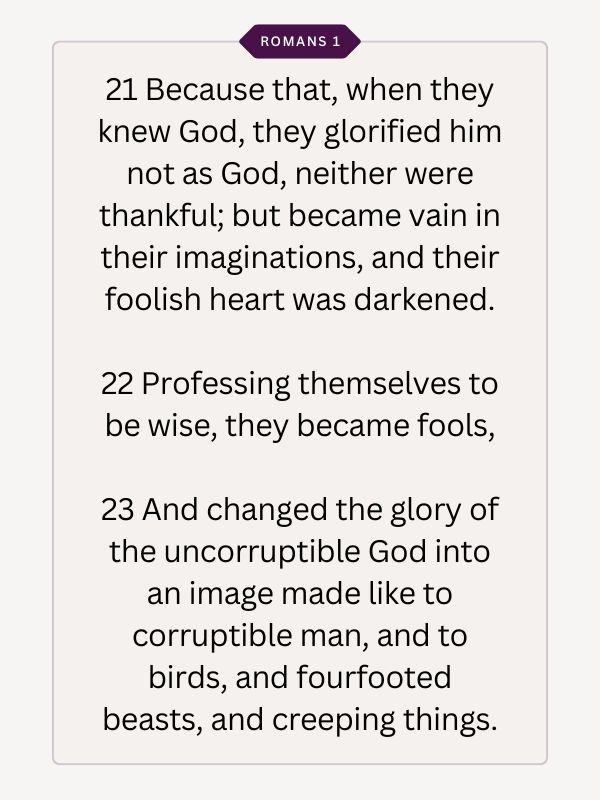
Romans 1:21 – “Because that, when they knew God, they glorified him not as God, neither were thankful; but became vain in their imaginations, and their foolish heart was darkened.”

Trusting the Holy One to Work Without Restraint

"Don’t Limit Him: Embracing the Full Power of the Holy One"

My beloved, let us pause and ponder this truth with great reverence. In the midst of the incredible work Christ accomplished on the cross, there remains a somber and profound reality—the tragic possibility that we, in our own limited understanding and unyielding hearts, can limit the Holy One of Israel. The Psalmist, in Psalm 78:41, gives a grievous account: “Yea, they turned back and tempted God, and limited the Holy One of Israel.” What does it mean to limit the Holy One? And how does this apply to us, His contemporary body, His Church?

"Unleashing the Unlimited: Overcoming the Limits We Place on God"

"The Power Unrestrained: Living Beyond the Limits We Place on God"

“The Holy One Unbound: Stepping Into the Fullness of God’s Power”

Understand, my dear ones, that to “limit” the Holy One is not to restrict His power in the sense that He is somehow less than Almighty—no! God cannot be bound or diminished by anything. But in our actions, our doubts, our lack of faith, we limit what He desires to do in and through us. We limit His work in our hearts and in our lives when we fail to fully surrender to Him. We limit His transformative power when we turn back from His ways or when our unbelief causes us to doubt His promises.

In the wilderness, the Israelites did not see the fullness of God’s might because they did not trust Him. They refused to believe in His provision, His protection, and His ability to deliver them into the land He had promised. They “tempted” God—not by testing His power, but by not believing it was enough. So too, we, today, are tempted to limit God by our own resistance, our own fears, and our own inability to fully receive all that He offers us through Christ.

I ask you now, how often do we, as members of His body, act in similar ways? How often do we let our circumstances or our doubts put a lid on what the Holy Spirit desires to do within us? He, who raised Christ from the dead, longs to move powerfully in our lives—healing, delivering, guiding, and empowering us. Yet, when we refuse to step out in faith, when we cling to the old patterns of thought and behavior, we limit the Holy One of Israel.

The cross has already secured the victory. Christ has already accomplished all that we need for life and godliness. There is nothing left undone. And yet, like the Israelites of old, we can still live as though God’s promises are not fully ours, as though His presence is not enough to carry us through. But remember, my beloved, when we walk in the full assurance of His love, when we open our hearts to His power, we remove the limits we have placed upon Him.

I challenge you today—do not limit the Holy One of Israel. Do not let fear, doubt, or disobedience keep you from stepping into the fullness of what Christ has made available to you. He is able, and He is willing. The question remains—are we willing to let Him move freely in our lives, without the restrictions we place on Him? His power is limitless, and it is for us to embrace and walk in it. Let us not be like the children of Israel, turning back in unbelief, but let us press forward, trusting fully in the Holy One, who is more than able to accomplish in us what He has promised.

Guiding Principles of Faith

Embracing God's Law and Providence

Let not those who receive mercy from God become bold in their sins, for the mercy they receive will only bring about its punishment more quickly; however, those who face divine rebukes for their sins should not be discouraged from repenting. The Holy One of Israel seeks to honor His glory while also ensuring the well-being of His people. Forgetting past favors led them to limit what they believed God could do in the future. God led His people like sheep and cared for them in the wilderness, much like a shepherd with his flock. In the same way, Jesus, the true Joshua, leads His church out of the wilderness; yet we must not allow any earthly rewards or worldly advantages to make us forget that the church is still in the wilderness of this world, and that a far more glorious rest awaits the people of God.

Because when people recognized God, they did not honor Him as God and failed to show gratitude, they became filled with empty thoughts, and their foolish hearts became darkened.

The Law as a Beacon

God’s law serves as a guiding light, encouraging us to align our lives with His divine will. It provides a framework for living a life of righteousness and integrity.

Providence as Assurance

Through His providence, God demonstrates His unwavering care and guidance, offering assurance and strength to those who trust in Him.

Mercy as a Catalyst

God’s mercies are not only acts of kindness but also catalysts for transformation, urging us to action in all faith and obedience to love.

Judgment as a Reminder

Divine judgments serve as reminders of the consequences of straying from God’s path, prompting us to return to His embrace with renewed commitment.

The Perils of Hypocrisy

The heart of hypocrisy is a grievous affliction, and the Scriptures make clear the danger of this deceit. “Yea, they turned back and tempted God, and limited the Holy One of Israel” (Psalm 78:41). To claim faith in God with the lips while turning from Him in the heart is a mockery of His holiness. It was Israel’s tragic downfall, and it is no less a peril for us today. Hypocrisy blinds the soul, causing us to forget God’s past mercies and to disregard His present call. We must not allow our faith to be empty words. “This people draw nigh unto me with their mouth, and honor me with their lips; but their heart is far from me” (Matthew 15:8). Let us, then, be true in spirit, walking in sincerity before the Lord, lest we fall into the snare of self-deception.

The Dangers of Living a Life of Hypocrisy

Hypocrisy is a perilous journey that not only distances one from the profound truth and radiant light of God but also entangles the soul in a web of deceit, leading to spiritual confusion and moral ambiguity. When one chooses to live in contradiction to their beliefs, they risk losing sight of their true purpose and the divine guidance that comes from living authentically. This divergence ultimately results in a lack of fulfillment, as it separates the individual from the genuine love and wisdom that God offers, fostering a shadowy existence devoid of clarity and peace.

When individuals fail to align their hearts with God’s will, they risk losing their way entirely. The scriptures remind us that sincerity and a steadfast heart are crucial in maintaining a true connection with the divine. By setting our hearts right, we open ourselves to God’s guidance and mercy, avoiding the pitfalls of deceit and insincerity.

The Battle Between Divine Goodness and Human Frailty

Throughout history, the tension between God’s unwavering goodness and man’s inherent weaknesses has been evident. Forgetfulness of God’s mighty works often leads to disobedience and spiritual decline. It is essential to remember and cherish the acts of divine intervention and mercy, as they serve as a foundation for faith and obedience. By keeping God’s deeds at the forefront of our minds, we can strive to overcome our shortcomings and align ourselves with His will.

The Consequences of Forgetfulness

When we forget the blessings and miracles bestowed upon us by God, we risk falling into a cycle of disobedience and ingratitude. This forgetfulness can lead to a hardened heart, unable to recognize or appreciate the continuous grace and mercy of the Lord. By actively recalling and celebrating God’s past works, we fortify our faith and encourage a life of righteousness and gratitude.

The Importance of Remembrance

Remembrance is a powerful tool in the believer’s journey. By constantly recalling God’s past interventions and blessings, we strengthen our resolve to follow His commandments. This practice not only honors God but also serves as a reminder of His unwavering love and support, encouraging us to live a life that reflects His goodness and mercy.

Understanding the Nature of Sin

Sin has a dispiriting effect, sapping the joy and vitality from our lives. It creates a barrier between us and the divine, leading to a sense of emptiness and despair. However, through faith and sincere prayer, we can seek God’s mercy and forgiveness, restoring our relationship with Him. By acknowledging our sins and turning to God, we find hope and renewal. Speak now to Him.

Faith and prayer are essential in overcoming the burdens of sin. They provide a pathway to divine mercy and grace, allowing us to rise above our transgressions. Through earnest supplication and trust in God’s promises, we can experience spiritual rejuvenation and a renewed sense of purpose, drawing us closer to His eternal love and compassion.

CONTEMPLATING SUPREME GRACE

The Importance of Remembering God's Past Mercies

In our journey of faith, it is crucial to continually reflect on the manifold mercies that God has graciously bestowed upon us. These acts of divine kindness serve as powerful reminders of His unwavering love and faithfulness. However, there lies a significant danger in presuming upon these mercies, as it can lead to complacency and a hardened heart. By recalling God’s past interventions and blessings, we are encouraged to live in gratitude and obedience, avoiding the pitfalls of presumption and sin. Let us strive to keep our hearts aligned with His will, acknowledging that His mercies are not to be taken for granted but cherished and remembered with reverence.

Reflecting on Divine Mercies

A Night by the Fire

As the last rays of the setting sun dip behind the mountains and the evening chill settles in, we gather around the fire. The warmth of the flames contrasts with the coolness of the night air, and the crackling wood fills the silence with a gentle symphony. You, my disciples, have journeyed with me, and now, we break bread together. The meat before us is a provision from the Lord, a gift of sustenance for our bodies as we seek to nourish our souls.

The firelight dances in your eyes, and I see a hunger in you—not just for food, but for understanding. As we eat, let us take this time to reflect on the mercies of God, for we are often quick to forget His graciousness, even as we walk in the blessings He has so abundantly given. We must remember—remember His divine interventions, His unwavering faithfulness, and His countless mercies that have carried us through trials and triumphs alike. “Bless the Lord, O my soul, and forget not all his benefits” (Psalm 103:2).

I challenge you tonight: Reflect on the mercies God has shown you. Have you truly taken the time to remember them, to recount the ways He has been faithful to you? The psalmist admonishes us to “remember the days of old, consider the years of many generations” (Psalm 77:5). We are prone to forget. The passing of time can dull our sense of gratitude. We become like the Israelites who, when they were delivered from Egypt, quickly forgot the miracles God had performed on their behalf. “They remembered not his hand, nor the day when he delivered them from the enemy” (Psalm 78:42). How often do we, too, forget?

And yet, my disciples, the danger of forgetting is not just that we fail to give thanks; it is that we begin to presume upon God’s mercy. To presume is to take for granted that God will continue to bless us without a heart of gratitude or a life of obedience. This leads to complacency and sin. The Scriptures are clear: “Shall we continue in sin, that grace may abound? God forbid” (Romans 6:1-2). The mercies of God are not a license to live carelessly, but rather a call to walk in reverence and obedience.

In our own lives, we must guard against this very temptation. Reflect on His mercies—His protection, His provision, His correction, and His unfailing love—and let that remembrance fuel your obedience. We must not take His kindness for granted, but rather allow it to move us toward greater humility, greater gratitude, and greater service.

Let us also consider how we have responded to His mercies in the past. Have we responded with the same faithfulness He has shown us, or have we wavered in our commitment? The danger of forgetting His mercy is that it leads to presumption, and presumption often leads to rebellion. Remember the warning given to the Israelites in the wilderness: “And they tempted God in their heart by asking meat for their lust” (Psalm 78:18). When we forget God’s provision, we often demand more, and we do so with a spirit of entitlement rather than gratitude.

So, tonight, I challenge you again: Do not let the mercies of God be an afterthought, but let them be the foundation upon which you build your life. Reflect upon them, recount them, and let your heart be stirred to obedience and gratitude. Remember His faithfulness, and let that remembrance carry you forward in faithfulness to Him.

A Prayer of Reflection and Gratitude

Lord God,
I come before You tonight with a heart full of gratitude. You have been merciful to me beyond measure, and yet, I confess that I have often forgotten Your faithfulness. I have taken Your mercies for granted, and I have presumed upon Your grace. I repent, O Lord, for the times when I have failed to remember Your hand at work in my life. I ask that You would forgive me for my complacency and my lack of reverence.

Help me, Father, to recall the times You have delivered me, the times You have provided for me, and the countless blessings You have poured out upon me. Stir my heart with a deep sense of thankfulness, and let that thankfulness lead me to obedience. May I never take Your mercy lightly, but may it cause me to walk in greater humility and holiness.

I pray that I would not forget Your goodness, but that I would remember, day by day, the ways You have been faithful. Let my life be marked by gratitude, and let my actions reflect the depth of my appreciation for all that You have done. Keep my heart tender, and protect me from the danger of presumption. May I live each day in reverence for Your mercy, and may that reverence lead me to live a life that honors You in all things.

Father, as I sit here around this fire, I remember that every provision I have comes from Your hand. Every blessing, every mercy, every moment of grace is a gift from You. Thank You for Your kindness, and thank You for Your patience with me. I surrender myself to You afresh tonight. May my heart be aligned with Your will, and may my life be a reflection of Your love and faithfulness.

In Jesus’ name, I pray. Amen.

Insights for the Journey

As we sit in the stillness of the night, let these reflections take root deep in your hearts. God’s mercies are not mere fleeting moments; they are the evidence of His character and His commitment to His people. They are a foundation for our faith and a catalyst for our obedience. The key is to remember—not just in the easy moments, but especially in the hard ones. When we recall the ways God has been merciful, we are reminded that His love never fails, and we are encouraged to keep walking forward, trusting in His continued faithfulness.

In the coming days, I encourage you to take time to reflect on your own life. What are the mercies God has shown you? How has He been faithful in the past? Let these reflections lead you into a deeper, more genuine walk with Him. And when you encounter hardship, remember that His mercy has already been proven to you. His mercies are new every morning, and they will continue to sustain you as you move forward in faith.

Deepen Your Understanding of God's Mercies

Take a moment to deepen your understanding of God’s abundant mercies and your own standing before Him. Through prayer and reflection, we invite you to explore the profound truths of His Word and embrace the transformative power of His grace. Engage with the scriptures, seek His guidance, and allow your heart to be renewed in His presence. Let this be a time of spiritual growth and renewed commitment to living in the light of His mercies. Click the button below to begin your journey of reflection and prayer.