
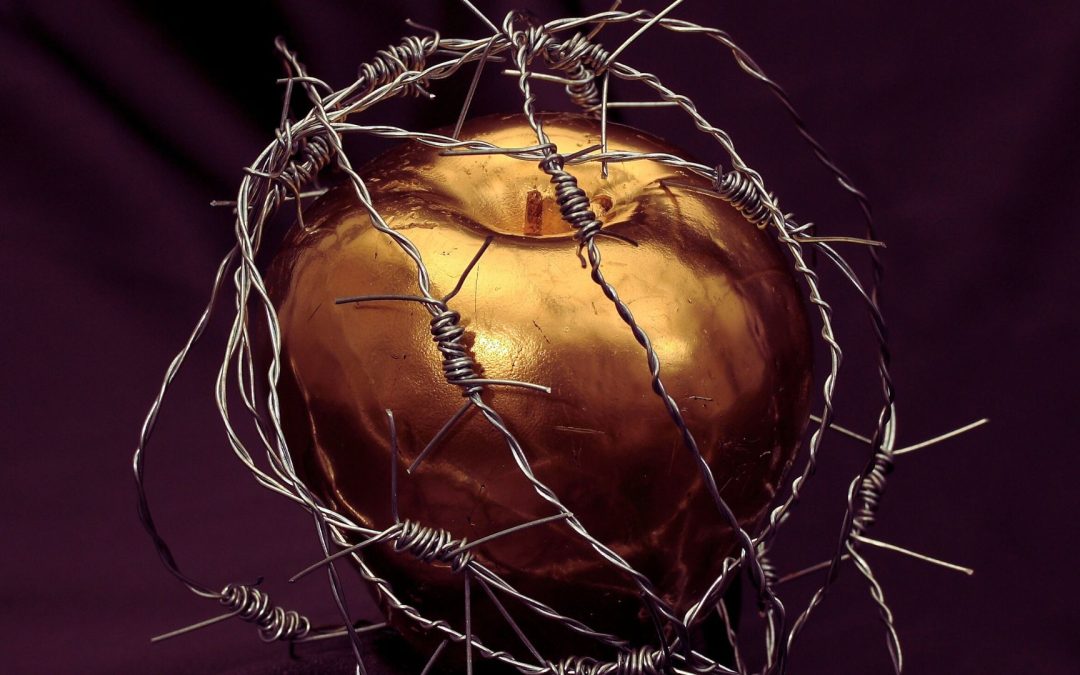
He is described as eternal, omnipresent, omniscient, omnipotent and immutable.
DEADLY SINS
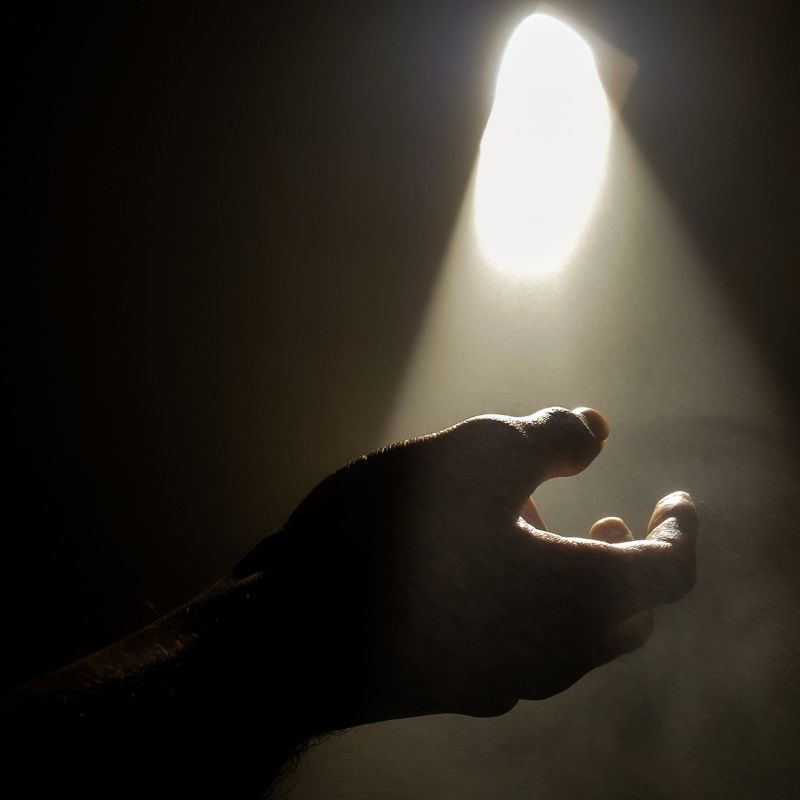

EMBRACE THE LIGHT WITHIN
Shedding Light on the Deadly Sins
On God’s list, the sin that cannot be forgiven is the rejection of Him and refusal of His offer of forgiveness and new life in Jesus. This particular sin is deemed unforgivable as it implies disbelief in the truth of the Holy Spirit’s testimony regarding Jesus, as stated in Luke 12:10. It is therefore crucial to acknowledge and accept this offer of redemption and salvation to avoid falling into the trap of disbelief and denial of God’s grace.
Gluttony, mentioned in 1 Corinthians Chapter 10:31, warns against murmuring and excessive consumption of food and drink. While enjoying food and drink is not wrong, indulging to the point of gluttony is considered sinful. Drunkenness, stemming from excessive alcohol intake, is also classified as a form of gluttony, leading to further immoral actions and sins.
Lust, 2 Timothy Chapter 2:22, Flee also youthful lusts: but follow righteousness, faith, charity, peace, with them that call on the Lord out of a pure heart. Against a minimalistic view of the Seventh Commandment, Jesus says, “But I say to you that everyone who looks at a woman with lustful intent has already committed adultery with her in his heart” (Matt. 5:28). Flee from youthful lusts and instead pursue righteousness, faith, charity, and peace with those who seek the Lord with a pure heart. Jesus warns that lusting after another person is akin to committing adultery in one’s heart. Lust is a distorted craving for sexual pleasure, characterized by a selfish focus that dehumanizes the desired individual.
Greed, often synonymous with avarice, is viewed as a sinful and despicable trait, characterized by an insatiable desire for wealth. It is defined as an immoderate love or craving for riches, material possessions, fame, attention, power, or anything else that caters to one’s selfishness.
Sloth, goes beyond mere laziness, revealing a deeper root of sin stemming from a lack of love for God and His commands. This negligence can lead to wasted resources, with individuals failing to help those in need despite having the ability to do so. Remember the wisdom of the ant and consider the consequences of sloth in your life.
Wrath, or vengeance is considered one of the seven deadly sins, defined as a strong feeling of hatred or resentment with a desire for vengeance. This overwhelming feeling and desire for revenge distinguishes wrath from anger that is balanced with reason, which is not considered a sin.
Envy is more than simple jealousy; it includes the belief that another’s excellence or blessings lessen one’s own, leading to destructive thoughts toward another’s good fortune. According to one evangelical dictionary, envy is the “sin of jealousy over the blessings and achievements of others,” indicating that the terms “envy” and “jealousy” are interchangeable.
Pride in Christian tradition, is linked to Satan, as it led Lucifer, once the most beautiful of God’s angels, to rebel against Him and be cast out of heaven. Described in the Book of Revelation, some believe Lucifer battled St. Michael the Archangel and was then thrown into hell by God. This fallen angel became known as the devil, while those who followed him became demons. The impact of pride is evident in both the downfall of Satan and of Adam and Eve.
Unlike the healthy pride of self-affirmation, sinful pride disposes a person to think more of oneself than one ought to, with no recognition of or appreciation for the gifts one has received from God.
The danger of pride is that it pushes God to the margins of one’s spiritual, moral, and temporal existence, putting the prideful person at the moral centre. If God exists at all to the prideful person, it is only to gratify one’s ego and sense of importance. Pride causes a person to negate God and take all credit for one’s accomplishments and works.
Seeks to challenge the nature and existence of a loving and all-powerful God in the face of suffering, examining whether the creator and supreme being would permit such pain to exist. This argument is often used in atheist reasoning, questioning to problem why an abundance of evil coexists with a supposedly omnipotent and benevolent God. The argument posits that if God is both all-powerful and all-good, then evil should not exist. Yet, the reality of evil in the world challenges this notion, leading to skepticism about the existence of such a supreme being. This argument encompasses both moral evil, stemming from human actions, and natural evil, arising from natural disasters and diseases.


Seeking Redemption in the Shadows of Faith
In the endless search for answers to life’s most profound questions, the dilemma of evil stands as a formidable challenge to traditional beliefs. How can we reconcile the existence of suffering and pain with the idea of a benevolent and all-powerful God? The debate rages on, drawing from ancient philosophies and modern interpretations, each offering a unique perspective on the nature of evil and its place in the world.
From the free will defense to the concept of natural evils as tools for growth and learning, the arguments are as diverse as they are complex. Religious believers have grappled with theodicies and defenses, attempting to shed light on the mysteries of God’s ways and the reasons behind the presence of evil in our lives. Yet, the ultimate truth remains elusive, obscured by the veil of human understanding and the limitations of our finite minds.
Join the conversation, dive deep into the intricacies of morality and spirituality, and explore the profound connections between belief, suffering, and redemption. As you navigate the murky waters of sin, salvation, and the existence of God, embrace your uncertainty and challenge yourself to seek truth in the face of adversity and with the witness in your very Spirit. Your quest for meaning continues, the answers waiting to be confirmed, accepted in the depths of your soul.
When hopes are deferred, they are put on hold or postponed, causing a sense of delay or suspension. The longer someone waits without seeing their aspirations materialize, the higher the likelihood of them feeling disheartened. Witnessing the realization of one’s dreams can be a source of great inspiration and joy. Do not dwell too much on yourself, as true salvation lies in recognizing the sin within and allowing your Spirit to be reborn anew in Jesus.
The answer fills you, is on your lips and resonates in your ears, you’ve known it since time began. Gods’ love surrounds you now and He certainly knows your heart right now, and He patiently waits loving you, wanting you with Him as you will.
Do not be too fond of yourself, for salvation lies within you. The very paralytic of sin lies within you now and waits to be born-from-above in Jesus.
2 Peter Chapter 1
Jesus Christ. But he that lacketh these things is blind, and cannot see afar off, and hath forgotten that he was purged from his old sins.
Grace and peace be multiplied unto you through the knowledge of God, and of Jesus our Lord,


