
A Call to Prayer and Intercession
One Mediator Between God and Men
Join us in a journey of faith and devotion, as we lift our prayers and supplications for all men and those in authority, inspired by the teachings of 1 Timothy 2:5.

"The One Mediator: Christ's Supreme Role in Reconciliation"
Exploring the Singular Power of Jesus to Bridge the Gap Between God and Man
Beloved disciples, hear the weight of this truth: there is one God, and He is the Creator, the Sustainer, the Sovereign over all. His work of salvation is not limited to one nation or group but extends to all peoples—both Jews and Gentiles alike. For in Christ, God has not only preserved His covenant people but has graciously included the Gentiles, those once far off, into the fold of His salvation. His love does not discriminate; His mercy extends beyond the bounds of race, heritage, or law.
Consider this: Romans 3 declares, “Is He the God of the Jews only? Is He not also of the Gentiles? Yes, of the Gentiles also.” There is no partiality with God. His covenant has always been open to those who would humble themselves and come to Him through Christ. And this is where the greatness of the gospel is truly magnified: Christ, the Mediator, stands between God and man, not to draw lines of division, but to erase them. Through Him, all can have access to the Father, regardless of their past or their heritage.
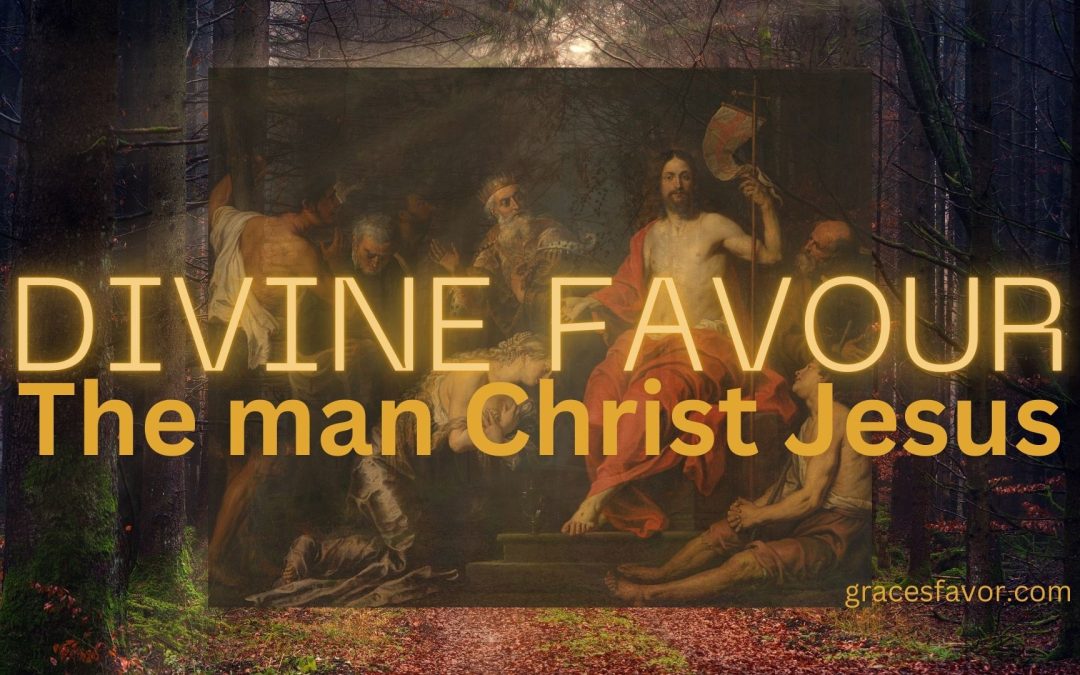
But understand this: there is only one Mediator between God and men—the man Christ Jesus. Do not be misled by the voices of those who suggest that any other can stand in this place, for there is no other. No angel, no saint, no work of human hands can mediate between us and the holy, righteous God. The Mediator is not some distant figure who merely pleads for us from afar. No, He is the man Christ Jesus, fully God and fully man, who lived, suffered, and died on our behalf. In His humanity, He knows our struggles, our pain, our weakness, and in His divinity, He has the power to reconcile us to God.
This truth—Christ, as the Mediator—should challenge us. How do we see Him? Do we acknowledge the vast chasm between us and God, one that only Christ, in His perfect obedience and sacrifice, could bridge? Or do we take this access for granted, thinking there is another way to God apart from Him? When you pray, remember the only reason you can approach the throne of grace is because Christ stands there as your Mediator, speaking on your behalf, ensuring your access to God, and securing for you the promises of the covenant.
Let me challenge you further: the role of Christ as Mediator speaks not only to your personal salvation but to your mission as well. If Christ, the One who reconciles us to God, has made it possible for all to come to the Father through His sacrifice, then who are we to limit this offer? Who are we to withhold prayer, intercession, or evangelism from those who are still outside the fold? Paul’s exhortation in 1 Timothy 2 is clear: we are to pray for all men, all types of people—because Christ, in His death, has made the way open for all to be reconciled to God.
This is a profound mystery, a truth that should shake us to the core. Christ, the Mediator, is the only one who can effect reconciliation between God and men. He does so not just for the Jews but for the Gentiles as well, and for all men who would turn to Him in faith. He is not a Mediator for one group but for all who will come to Him. So I ask you—are you living in light of this truth? Are you seeking to bring others to Christ, knowing that He is the only Mediator, the only bridge to peace with God? Or have you settled for some lesser hope, some false mediator, whether in your own works or in the idols of the world?
Christ is the way, the truth, and the life. No one comes to the Father except through Him. Let us not only rejoice in this truth but be driven by it, seeking to proclaim His name to all the nations, knowing that through Him, all can be reconciled to God.
And let me remind you, this truth is not just for the distant, for the stranger; it is for you as well. Christ is the Mediator for you—you who were once far off, you who were once enemies, now reconciled to God by the blood of His cross. What does this mean for your life today? How does this truth transform your thoughts, your desires, and your actions?
This is the heart of the gospel—the power of God unto salvation, made manifest in the man Christ Jesus. Let us live, let us pray, let us preach, as those who have been bought with a price, redeemed through the sacrifice of the one true Mediator, who is both God and man, and who forever stands as the bridge between God and His people.
This is the great mystery revealed: Christ Jesus, our Savior, our Mediator, our everything.
Christ Jesus: Our Mediator
The Role of Christ Jesus
For there is one God, and one mediator between God and men, the man Christ Jesus; who gave himself a ransom for all, to be testified in due time. (1 Timothy 2:5-6)
These verses highlight the unique and pivotal role of Christ Jesus as the bridge between humanity and God, emphasizing His ultimate sacrifice for our salvation.
1 Timothy 2:4 In-Context
2 For kings, and for all that are in authority; that we may lead a quiet and peaceable life in all godliness and honesty.
3 For this is good and acceptable in the sight of God our Saviour;
4 Who will have all men to be saved, and to come unto the knowledge of the truth.
5 For there is one God, and one mediator between God and men, the man Christ Jesus;
6 Who gave himself a ransom for all, to be testified in due time.
1 Timothy 2:5
For there is one God
The unity of God with respect to men emphasizes that there is one God, the Creator of all, who is the Saviour in a providential way, and the covenant God of all kinds of individuals, whether Jews or Gentiles. God has graciously included Gentiles in His covenant, showing them a special and distinguishing love, choosing them for salvation in Christ, sending His Son to redeem them, and through His grace calling, regenerating, sanctifying, adopting, pardoning, and justifying them. ( Romans 3:29 Romans 3:30 ) Therefore, all types of individuals, including Gentiles and Jews, are to be prayed for as another argument follows.
a Mediator is not limited to just one, but serves two parties; acting as a bridge between them when they are in conflict; Christ fulfills this role perfectly. He stands between God and his chosen people, who are naturally distant from God, in opposition to Him, and have transgressed His law and offended His justice. Christ bridges the gap as a mediator, addressing matters related to God’s glory, reconciling the people’s sins. He brings those who were once far off closer to God, establishing peace through His sacrifice on the cross, fulfilling the law, and satisfying justice. Consequently, He advocates for them in heaven, intercedes on their behalf, ensures the application of covenant blessings, and safeguards their souls, leading them to eternal joy. This Mediator is.
He is not simply a man, but truly and fully God; nor is he solely a Mediator in human form; It was fitting that he became human, able to offer and to obey, to suffer and to die, thus making amends for the fallen nature; Without being God, he wouldn’t have been able to intercede for mankind, take on their sins, or offer his blood, righteousness, and sacrifice for their redemption, justify from it, make atonement for it, or make peace with God: the reason why he is particularly mentioned as man, is, with a view to the argument in hand, praying for all men; since he who is the Mediator between God and man, has assumed a nature which is common to them all. In understanding the importance of his humanity, we acknowledge the universal connection he shares with all individuals, bridging the gap between mankind and the divine. Through his human form, he represents the ultimate mediator, offering a pathway for redemption and reconciliation for all humanity: and this Mediator is said to be one, not so much in opposition to other mediators, angels or saints departed, though it is a truth, and stands full against them, but with respect to men; there is but one Mediator between God and all sorts of men, through whom both Jews and Gentiles have an access to God, and peace with him; and therefore prayer through this Mediator should be made for all, highlighting the unique and universal role of this singular Mediator in bridging the gap between humanity and divinity, offering inclusivity and unity in access to God for all individuals, regardless of background or heritage. The Jews believe the Messiah to be a Mediator and God, serving as a middle person between God and men. They refer to him as the Pillar of mediation or the middle Pillar, signifying the role of Mediator or Reconciler. Philo the Jew also describes the word as a middle person, positioned between the dead and the living, as well as between God and men. The Ethiopic version translates this concept, “there is one elect of God”; which is one of the characters of the Messiah, ( Isaiah 42:1 )
A Call to Action
Engage in Prayer and Intercession
We are called to make supplications, prayers, intercessions, and give thanks for all men, especially for those in authority. This practice helps us lead a quiet and peaceable life in all godliness and honesty, aligning with the teachings of 1 Timothy 2:1-2.
Let us commit to daily prayer and intercession, seeking God’s guidance and blessings for our leaders and communities. Together, we can foster a spirit of peace and righteousness in our world.
God's Universal Desire
Salvation and Knowledge of the Truth
The Will of God: Desiring All to Be Saved
God’s Heart for Humanity—A Call for Universal Salvation and True Knowledge of the Truth
God desires all people to be saved and to come to the knowledge of the truth. His will is not limited to a select few but extends to every individual. This call invites all to receive His salvation and understand His truth, offering hope and grace to every soul.
In 1 Timothy 2:4, we are reminded of God’s profound desire for all humanity to be saved and to come to the knowledge of the truth. This verse underscores the inclusivity of God’s love and His wish for everyone to experience His grace. It is a call for believers to share the Gospel with all, ensuring that the message of salvation through Jesus Christ reaches every corner of the world. This divine aspiration encourages us to engage in evangelism and discipleship, fostering a community that reflects God’s heart for all people.
God’s will is for all people to be saved and know the truth. Explore His universal desire for salvation and the invitation to all to receive His grace.
Respect and Relationships
1 Timothy 5:1-2 provides clear guidance on how we should interact with different members of our community. Elders are to be treated with respect, akin to how one would honor a father. This respect is rooted in their wisdom and experience. Younger men should be approached as brothers, fostering a sense of camaraderie and mutual support.
Similarly, elder women are to be honored as mothers, recognizing their nurturing roles and the wisdom they impart. Younger women should be treated with the same purity and respect as sisters, ensuring that our interactions are always honorable and reflective of Christ’s love. These instructions help build a community grounded in respect, love, and godliness.
By adhering to these principles, we create a harmonious and supportive environment where each individual is valued and treated with dignity. This approach not only strengthens our relationships but also exemplifies the teachings of Christ in our daily lives.
Honoring Widows
Care for Those in Need
1 Timothy 5:3-16 emphasizes the importance of honoring and caring for widows, especially those who are truly in need. The scripture calls for the church to provide support to widows who are left desolate, ensuring they are not neglected. This care is a reflection of God’s compassion and serves as a testament to the church’s commitment to living out the Gospel.
Widows who have no family to support them are to be given special attention, as their trust and reliance on God are evident through their continuous prayers and supplications. The passage also encourages families to take responsibility for their widowed relatives, highlighting the importance of familial duty and piety.
By following these teachings, we not only fulfill our spiritual obligations but also create a community that mirrors the love and care that God has for all His children. This dedication to supporting those in need is a powerful witness to the world of the transformative power of the Gospel.
Guidance for Elders
The scripture in 1 Timothy 5:17-25 emphasizes the respect and honor that should be accorded to elders. It highlights the importance of their labor in the word and doctrine, urging that those who rule well be counted worthy of double honor. Elders who dedicate themselves to teaching and preaching the word of God play a crucial role in the spiritual growth of the community. Their commitment and diligence in guiding the flock should be met with appreciation and respect.
Furthermore, the passage advises against receiving accusations against an elder without the testimony of two or three witnesses, ensuring fairness and justice. It also encourages the congregation to rebuke those who sin publicly, so that others may learn and fear. This guidance fosters a community built on respect, integrity, and accountability, where the contributions of elders are valued and their leadership is upheld.
Exhortation to Righteousness
Putting on the New Man
In Ephesians 4:24, believers are exhorted to put on the new man, which is created in righteousness and true holiness after God. This transformation signifies a departure from the old self, characterized by sinful behaviors and attitudes, and an embrace of a new identity rooted in the divine nature of God. The new man reflects the moral and spiritual renewal that comes from a relationship with Christ, embodying the virtues of righteousness and holiness.
This call to put on the new man is a reminder of the continuous process of sanctification that every believer undergoes. It involves a conscious effort to align one’s life with the teachings of Christ, striving to live in a manner that is pleasing to God. By adopting the new man, believers are encouraged to exhibit qualities such as love, kindness, humility, and patience, which are reflective of God’s character.
Ultimately, this transformation is not just about personal growth but also about impacting the world positively. As believers live out their new identity, they become beacons of light, demonstrating the power of God’s grace and the reality of a life transformed by His Spirit. This exhortation serves as a powerful motivation for believers to pursue a life of righteousness and true holiness, in accordance with God’s will.
Qualities of an Intercessor
Believers are blessed with the Holy Spirit residing within them, serving as a divine intermediary between them and God’s will, guiding and supporting them on their spiritual journey.
Just as the Holy Spirit intercedes for us based on God’s perfect plan, believers can rest assured knowing they are never alone in their faith walk, always accompanied by the presence and wisdom of the Holy Spirit in their hearts. (Romans 8:26-27), We are called to unite in prayer and support for each other, standing in the gap and lifting one another up in times of need.
Let us come together in solidarity, offering our intercessions with genuine compassion and understanding. As we intercede for one another, may our hearts be filled with empathy and our prayers be a source of strength and comfort.
Let us embrace this sacred duty with open arms, knowing that our collective prayers have the power to bring hope, healing, and peace to those we hold dear in our hearts. This is not a privilege limited to an exclusive group of Christians, this is a command that applies to all individuals, regardless of their background or beliefs. It serves as a universal call to action, emphasizing the importance of unity and inclusivity within the community. Embracing this command requires a personal commitment to values such as empathy, compassion, and understanding, reinforcing the idea that we are all interconnected in our shared humanity.
By recognizing and following this directive, we can strive towards creating a more harmonious and accepting society for everyone to thrive in. Failing to advocate for others is considered sinful and neglectful. It is crucial to actively engage in interceding on behalf of those in need, as it reflects a sense of empathy and compassion towards one’s fellow human beings.
By standing up for others and speaking out against injustice, we demonstrate our commitment to promoting fairness and equality in society.
It is our moral duty to lend our voice to those who may not have the opportunity or means to speak for themselves, thereby fulfilling our obligation to uphold the values of justice and solidarity.
Intercessors have the unique ability to see and hear through the lens of God’s perspective, gaining insight and understanding beyond their own.(Neh 1:1-5) They are individuals who have experienced brokenness in their own lives, allowing them to empathize and intercede on behalf of others in a powerful way.(Jer 8:21) True intercessors do not approach prayer as a means to gain personal benefit but rather seek to align themselves with God’s will and purposes. They carry a distinctive mark of God on their lives, indicating a deep connection and intimacy with the divine.(Eze 9: 1-5)
Intercessors are called to live a life of discipline and holiness, setting themselves apart for the work of intercession and spiritual warfare. Intercessors are generous individuals who selflessly offer their time and financial resources to support those in need. Their willingness to give without expecting anything in return demonstrates their compassionate and caring nature, making them invaluable members of any community. Prayer and good deeds go hand in hand, creating a powerful synergy that uplifts both the soul and the world around us.
When we combine our spiritual intentions with positive actions, we not only deepen our connection with the divine but also make a tangible difference in the lives of others.
Let us strive to embody this harmonious balance of faith and service, spreading love and kindness wherever we go. (Isa. 37) Intercessors have the incredible power to influence the thoughts and decisions of God through their prayers and petitions. Their ability to communicate with the divine realm brings about shifts in divine plans and outcomes. This profound connection allows intercessors to act as conduits for divine intervention and blessings to pour forth into the world. Moses changed God’s mind. (Ex 32:32, Ps 106:23) If the nation humbly seeks forgiveness through repentance from God, He will extend His mercy, granting the nation the strength to heal and restore the land to its former glory. (2 Chr 7:14)
Embrace the Teachings of the Scriptures
We invite you to embrace the teachings of the scriptures and strive for righteousness, true holiness, and loving devotion in your life. The word of God offers guidance, wisdom, and encouragement for every aspect of our lives. By committing to live according to His teachings, you can experience the transformative power of His grace and love.
He is not just a man, but truly and fully God. His role as Mediator goes beyond human nature; being both man and God allows him to offer, obey, suffer, and die, thus making amends for sin. Without his divine nature, he could not bridge the gap between humanity and God, offering redemption through his blood, righteousness, and sacrifice. As the one true Mediator for all, he provides access to God for all people, Jews and Gentiles alike. Prayer through this Mediator is essential for all, as he is the Pillar of mediation, standing between God and mankind.
