















Explore the timeless financial guidance found in the Bible, contrasting God's way with worldly practices. Learn how to manage your finances according to divine principles for a life of abundance and peace.The Bible provides clear rules and laws regarding financial...

Compromised Convictions
Upholding Divine Standards in Every Aspect of Life
Explore the profound importance of living according to God’s commandments and the impact of unwavering faith on our daily lives.

The Significance of God's Standards
God’s standards are the cornerstone of a righteous life, guiding us in every decision and action. Adhering to divine principles not only strengthens our faith but also ensures that our lives reflect God’s will. By following His commandments, we demonstrate our love and commitment to Him, fostering a deeper spiritual connection and a life of integrity and purpose.

Understanding Tassid Approval
The Perils of Seeking Human Approval
Tassid approval refers to the tendency to seek validation from others rather than remaining true to God’s commandments. This pursuit often leads to compromise and a departure from divine principles. Jesus emphasized in John 14:15, ‘If ye love me, keep my commandments,’ highlighting that true love for Christ is shown through obedience, not by conforming to worldly standards.
Compromising one’s faith to gain human approval can have severe spiritual consequences. Hebrews 10:26 warns of the dangers of willful sin after knowing the truth, underscoring the importance of steadfastness in faith. By prioritizing God’s approval over that of others, we maintain our integrity and uphold the righteousness that He calls us to live by.

The Guilt of Compromise
Compromise in faith often leads to a deep sense of guilt and spiritual unrest. When believers fail to stand firm in righteousness, they not only tarnish their witness but also experience internal conflict. Proverbs 25:26 likens a righteous person who falters before the wicked to a polluted spring, illustrating the contamination of one’s integrity. This guilt is a reminder of the importance of unwavering commitment to God’s principles, as highlighted in 1 Kings 18:21, where Elijah calls for a decisive choice between God and Baal. The consequences of compromise are not just personal but also affect the broader community of faith, leading to spiritual stagnation and confusion.
Active Engagement in Christian Duty
Christian duty demands more than passive adherence; it requires active engagement with God’s commands and principles. Romans 12:1-2 urges believers to present their bodies as living sacrifices, holy and acceptable to God, which is a call to active commitment. This involves not just personal piety but also a proactive stance in societal and personal spheres. Engaging with others in a manner that reflects God’s love and truth is crucial, as emphasized in Romans 14:1-23, which calls for receiving the weak in faith without engaging in disputes. This active engagement is a testament to one’s personal conviction and dedication to living out God’s will in every aspect of life.
Personal conviction plays a vital role in fulfilling Christian duty. It is the inner assurance that guides one’s actions and decisions, ensuring they align with biblical teachings. Romans 14:1-23 highlights the importance of personal conviction while interacting with others, urging believers to act in ways that honor God and support the growth of fellow believers. This commitment to God’s principles, even in the face of societal pressures, is a demonstration of true faith and devotion. By actively engaging in God’s work and upholding His commands, believers can navigate their faith journey with clarity and purpose, ensuring their lives reflect unwavering commitment to God’s will and truth.
Compromisers vs. the Unlearned
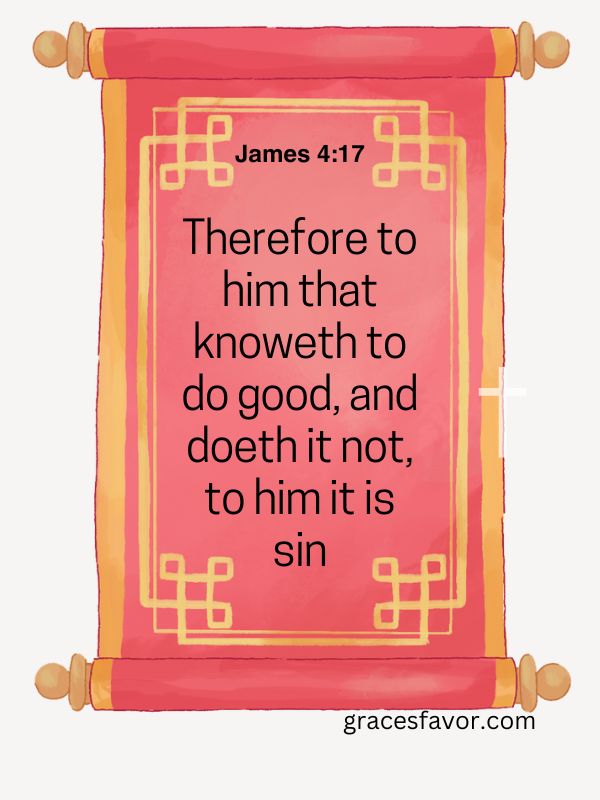
Understanding the difference between compromisers and the unlearned is crucial in the context of biblical teachings. A compromiser is someone who knowingly deviates from God’s principles to align with worldly views, often leading to spiritual downfall. James 4:17 states that knowing the right thing to do and failing to do it is sin, highlighting the gravity of deliberate compromise. In contrast, the unlearned may lack understanding or knowledge of biblical truths, and their actions stem from ignorance rather than intentional defiance. This distinction is important for addressing the root causes of spiritual lapses and providing appropriate guidance and support.
Intent and Awareness
The intent behind one’s actions is a key factor in differentiating between compromisers and the unlearned. Compromisers act with full awareness of their deviation from biblical teachings, often prioritizing personal gain or societal acceptance over faithfulness to God. Hebrews 10:26 warns of the severe consequences of willful sin after receiving knowledge of the truth, underscoring the seriousness of intentional compromise. On the other hand, the unlearned may act out of ignorance or lack of understanding, and their actions reflect a need for education and spiritual growth. Addressing these different motivations requires discernment and a compassionate approach to guide individuals back to the path of righteousness.
Guiding the Unlearned
Guiding the unlearned involves providing them with the knowledge and understanding they need to align their lives with biblical principles. 2 John 1:7-11 warns of deceivers who distort fundamental truths about Christ, emphasizing the importance of sound teaching and discernment. By educating the unlearned and helping them grow in their faith, believers can prevent the pitfalls of ignorance and foster a stronger, more informed Christian community. This process requires patience, compassion, and a commitment to upholding God’s truth, ensuring that all believers, whether learned or unlearned, can navigate their faith journey with confidence and clarity.
Going Along To Get Along
Teaching Guide: Compromised Convictions:
Objective
To explore the concept of Christian compromise, understand its manifestations, and examine how to remain faithful to God’s Word amidst societal pressures. This guide will equip participants with biblical principles to discern and resist compromise in their spiritual walk.
MAKE THE WORD YOURS
First Reading: Begin your journey
As you immerse yourself in these or any passages of scripture for the first time, you are beginning a journey of discovery or perhaps simply becoming acquainted with the profound messages that God conveys in these text. Take a moment to reflect on the specific circumstances surrounding the events, the individuals involved, the geographical settings that provide context, and the overarching themes that may resonate with your own experiences and beliefs. This initial exploration invites you to engage deeply with the narrative, offering a foundation for further understanding and insight as you continue to seek meaning in the sacred words before you.
Second Reading: Captivate
As you immerse yourself in the same passage of scripture once more, take a moment to reflect on the specific word, phrase, sentence, or verse that resonates deeply within you, imagine it, allowing it to inspire you and prompt a deeper exploration of its meaning. Consider how this particular element connects with your personal experiences and feelings, inviting you to engage with it on a profound level. Allow yourself to be fully present with the text, observing how it stirs your thoughts and emotions in a way that feels uniquely meaningful and significant in your journey of faith and understanding.
Third Reading: Engage in the act of prayer during your third reading as a means of connecting with your inner self and the divine, allowing your thoughts and intentions to flow freely.
As you engage with this passage of scripture for the third time, take a deliberate pause to immerse yourself in prayer, expressing your gratitude and admiration to God for the profound gift of His Holy Word that guides and nurtures your faith. Allow yourself to reflect on the significance of the text as you read, inviting God into your thoughts and heart, seeking understanding and insight that can enrich your spiritual journey. Embrace this opportunity to connect deeply with the message, opening your mind and spirit to the lessons and truths it holds, while fostering a meaningful dialogue with God throughout your reading.
Fourth Reading: Live in Group offers an engaging opportunity to experience dynamic interpretations and insights that bring the material to life in real time.
In this final reading of the passage take a moment to invite God into your heart and ask Him to reveal to you the specific ways in which He desires for you to live out the teachings of this scripture in your daily life. Reflect on the various aspects of your actions and decisions, considering whether there is a new practice He is encouraging you to embrace, an old habit He is urging you to let go of, or a positive behavior He wants you to maintain and strengthen.
Introduction
- Purpose: Understanding the dangers of compromising Christian convictions and learning how to maintain steadfast faith.
- Key Theme: Compromise in Christian faith leads to a departure from God’s Truth and impacts our witness and integrity.
Section 1: The Law and Tassid Approval
Objective: Examine the biblical mandate for obedience to God’s commands and the dangers of seeking approval from others.
- Scripture:
- John 14:15 – “If ye love me, keep my commandments.”
- Hebrews 10:26 – “For if we sin wilfully after that we have received the knowledge of the truth, there remaineth no more sacrifice for sins.”
- Discussion Points:
- Obedience as Evidence of Love: Discuss how true love for Christ is shown through obedience to His commands.
- Willful Sin and Its Consequences: Explore the implications of knowingly deviating from God’s commandments and the absence of forgiveness for deliberate sin.
- Activity:
- Case Study Analysis: Present real-life scenarios where individuals face pressure to conform. Discuss how to respond while maintaining fidelity to God’s Word.
Section 2: Speak or Shame: The Guilt of Compromise
Objective: Understand the impact of failing to stand firm in righteousness and the spiritual consequences of compromise.
- Scripture:
- Proverbs 25:26 – “A righteous man falling down before the wicked is as a troubled fountain, and a corrupt spring.”
- 1 Kings 18:21 – “How long halt ye between two opinions? if the LORD be God, follow him: but if Baal, then follow him.”
- Discussion Points:
- Spiritual Impact of Compromise: Discuss how failing to stand for righteousness affects one’s spiritual integrity and witness.
- The Call to Decisive Action: Reflect on Elijah’s challenge to the Israelites to choose between God and Baal and how it applies to today’s context.
- Activity:
- Role-Playing: Simulate situations where one must choose between compromising and standing firm. Discuss the outcomes and strategies for maintaining conviction.
Section 3: Duty is Yours, Results are God’s
Objective: Emphasize the responsibility of Christians to live out their faith actively while trusting God for the results.
- Scripture:
- Romans 12:1-2 – “Present your bodies a living sacrifice, holy, acceptable unto God, which is your reasonable service.”
- Romans 14:1-23 – Guidance on receiving the weak in faith without dispute, emphasizing personal responsibility in faith.
- Discussion Points:
- Active Commitment: Discuss what it means to present oneself as a living sacrifice and how this contrasts with passivity and compromise.
- Balancing Convictions and Compassion: Explore how to uphold personal convictions while being understanding and supportive of others.
- Activity:
- Personal Reflection: Participants reflect on areas in their lives where they may be compromising. Write a plan to actively align their actions with biblical principles.
Section 4: Distinguishing Compromisers from the Unlearned
Objective: Identify the difference between those who compromise their faith intentionally and those who may be struggling due to lack of understanding.
- Scripture:
- James 4:17 – “Therefore to him that knoweth to do good, and doeth it not, to him it is sin.”
- 2 John 1:7-11 – Warning against deceivers and antichrists.
- Discussion Points:
- Intent vs. Ignorance: Discuss how to discern between deliberate compromise and genuine misunderstanding.
- Addressing Deception: How to approach and correct those who are misled without falling into the trap of compromise themselves.
- Activity:
- Group Discussion: Share experiences of confronting or being confronted about compromise and how to handle such situations with grace and truth.
Section 5: Spiritual Compromise in Stewardship
Objective: Explore areas where compromise in stewardship (e.g., voting, education, relationships) can affect one’s faith and witness.
- Scripture:
- Matthew 6:33 – “But seek ye first the kingdom of God, and his righteousness; and all these things shall be added unto you.”
- Philippians 3:7-9 – Counting everything as loss compared to knowing Christ.
- Discussion Points:
- Impact on Stewardship: Discuss the consequences of failing to take a stand in societal issues and personal responsibilities.
- Seeking God’s Kingdom First: How prioritizing God’s kingdom affects decisions in personal and public life.
- Activity:
- Action Plan: Develop strategies to engage in societal and personal responsibilities without compromising biblical values.
Section 6: Strength and Conviction: A Scriptural Comparison
Objective: Compare and contrast scriptures on strength to understand how they apply to resisting compromise and maintaining conviction.
- Scripture Comparisons:
- John 14:15 – Strength through obedience.
- Hebrews 10:26 – Strength in resisting deliberate sin.
- Romans 14:1-23 – Strength in balancing personal conviction and compassion.
- Romans 12:1-21 – Strength in living sacrificially.
- Luke 10:27 – Strength in loving God wholly.
- Discussion Points:
- Understanding Biblical Strength: How each scripture reflects different aspects of strength required to uphold faith and resist compromise.
- Application: Ways to apply these principles in everyday decisions and interactions.
- Activity:
- Bible Study: Conduct a detailed study of the provided scriptures, comparing their teachings on strength and conviction. Discuss how these principles can be applied to current challenges.
Conclusion
Summary: Recap the importance of avoiding compromise, upholding Christian convictions, and remaining faithful to God’s Word.
Action Steps: Encourage participants to:
- Identify areas of potential compromise in their lives.
- Develop a plan to actively stand firm in their convictions.
- Engage in ongoing prayer and study to strengthen their faith and resolve.
Closing Prayer: Seek God’s guidance and strength to resist compromise and live out one’s faith with integrity and conviction.
The Impact of Compromise in Stewardship
Upholding Biblical Values in Every Aspect of Life
Study: Compromised Convictions: Going Along To Get Along
Introduction
In a world increasingly marked by moral ambiguity and cultural compromise, Christians face a daunting challenge: how to remain steadfast in their convictions while navigating complex social landscapes. The scriptures offer clear guidance on the dangers of compromising one’s faith and provide a blueprint for remaining true to God’s Word. This piece explores the concept of Christian compromise, its manifestations, and the imperative to uphold God’s standards in every aspect of life.
The Law and Tassid Approval
The term “Tassid approval” refers to the tendency to seek the approval of others rather than remaining faithful to divine principles. In biblical contexts, seeking such approval often leads to compromise. Jesus’ statement in John 14:15, “If ye love me, keep my commandments,” underscores the fundamental expectation for Christians: true love for Christ is demonstrated through obedience to His commands, not through aligning with worldly opinions.
Similarly, Hebrews 10:26 warns of the grave consequences of willful sin after having received knowledge of the truth. Compromising one’s convictions, especially when aware of the truth, is not merely a lapse but a rejection of the grace and sacrifice of Christ.
Speak or Shame: The Guilt of Compromise
The compulsion to “go along to get along” often silences the voice of conviction. Proverbs 25:26 describes the righteous man who falls before the wicked as a “troubled fountain” or “corrupt spring.” This imagery illustrates how compromising or failing to stand firm in righteousness tarnishes one’s witness and integrity.
In 1 Kings 18:21, Elijah challenges the people of Israel to choose between God and Baal, highlighting the need for a decisive stance in matters of faith. The absence of a clear choice—either standing firm in faith or compromising with worldly influences—leads to spiritual stagnation and confusion.
Duty is Yours, Results are God’s
Christian duty involves more than passive adherence; it requires active engagement with God’s commands and principles. Romans 12:1-2 urges believers to present their bodies as living sacrifices, holy and acceptable to God. This active commitment to God’s will contrasts sharply with the passivity and compromise that plague modern Christian life.
Romans 14:1-23 emphasizes the importance of personal conviction while interacting with others. It calls for receiving the weak in faith without engaging in disputes, recognizing that our actions should reflect a commitment to God’s principles while allowing room for growth and understanding in others.
Distinguishing Compromisers from the Unlearned
A compromiser is one who consciously deviates from biblical teachings to accommodate conflicting philosophies or lifestyles. In contrast, the unlearned may struggle with ignorance or lack of understanding. The critical difference lies in intent and awareness. James 4:17 notes that knowing to do good and failing to do so constitutes sin, illustrating the gravity of deliberate non-compliance versus ignorance.
2 John 1:7-11 warns of deceivers who distort fundamental truths about Christ, emphasizing that compromising the core doctrines of Christianity is a serious issue that must be discerned carefully.
Spiritual Compromise in Stewardship
Compromise is evident in various areas of stewardship, such as voting, education, and personal relationships. Failing to vote or take a stand against harmful curricula in schools reflects a neglect of responsibility. Remaining silent in the face of unbiblical principles from friends or family compromises one’s witness and support for righteousness.
Matthew 6:33 underscores the priority of seeking God’s kingdom and righteousness above all else, which includes actively engaging in societal and personal spheres to uphold biblical values. This proactive approach contrasts sharply with the complacency and compromise that often pervade Christian engagement in public matters.
Strength and Conviction: A Scriptural Comparison
When contrasting the concept of strength in various scriptures, the focus shifts from mere physical or emotional resilience to a deeper, spiritual fortitude:
- John 14:15 – True strength in the Christian context is demonstrated through obedience to Christ’s commandments. It requires a heart fully committed to living out God’s will.
- Hebrews 10:26 – Strength is also shown in resisting the temptation to sin willfully after knowing the truth. It highlights the necessity of integrity and steadfastness in faith.
- Romans 14:1-23 – Strength involves understanding and compassion in dealing with fellow believers. It requires balancing personal conviction with respect for others’ growth and conscience.
- Romans 12:1-21 – The strength of presenting oneself as a living sacrifice and not conforming to worldly patterns showcases a comprehensive commitment to God’s service and righteousness.
- Luke 10:27 – Loving God with all one’s strength signifies a holistic devotion encompassing all aspects of life, including physical, emotional, and spiritual strength.
Conclusion:
Navigating Compromise: Upholding Christian Convictions
Compromise, while often subtle, represents a significant threat to Christian convictions. It erodes the integrity of one’s faith by gradually aligning beliefs and behaviors with worldly values instead of steadfast adherence to God’s truth. The Bible warns believers about the dangers of compromising their convictions and calls them to maintain their commitment to God’s Word with strength and integrity. For instance, in 1 Kings 18:21 (KJV), Elijah challenges the people of Israel with a poignant question: “How long halt ye between two opinions? if the LORD be God, follow him: but if Baal, then follow him.” This verse underscores the importance of choosing sides and committing fully to God, rather than wavering between conflicting beliefs and practices.
The scriptures frequently emphasize the need to resist the temptation to conform to worldly standards. In Romans 12:2 (KJV), Paul instructs believers, “And be not conformed to this world: but be ye transformed by the renewing of your mind, that ye may prove what is that good, and acceptable, and perfect, will of God.” This call to non-conformity highlights the necessity of a transformed mind—one that rejects secular values and embraces divine principles. Such a transformation equips Christians to discern and uphold the will of God in their daily lives, rather than succumbing to societal pressures.
Moreover, the Bible differentiates between deliberate compromise and genuine struggle with faith. Hebrews 10:26 (KJV) warns against willful sin after receiving knowledge of the truth, stating, “For if we sin wilfully after that we have received the knowledge of the truth, there remaineth no more sacrifice for sins.” This verse addresses the gravity of intentional transgression and its impact on one’s spiritual standing. It encourages believers to distinguish between moments of genuine struggle with faith and deliberate actions that contradict God’s commandments. By understanding this distinction, Christians can navigate their faith with greater clarity and purpose.
Lastly, 2 John 1:7-11 (KJV) provides insight into the consequences of failing to uphold doctrinal truth, stating, “For many deceivers are entered into the world, who confess not that Jesus Christ is come in the flesh. This is a deceiver and an antichrist.” This passage underscores the necessity of remaining vigilant against false teachings and deceptive influences that threaten to undermine true faith. By actively engaging in God’s work and remaining steadfast in His truth, Christians can ensure their lives reflect an unwavering commitment to His will.
In summary, maintaining Christian convictions in the face of compromise requires a deliberate and informed effort. By adhering to biblical teachings, resisting worldly values, and distinguishing between genuine struggle and deliberate compromise, believers can navigate their faith with integrity and purpose. The scriptures challenge us to uphold our faith with unwavering commitment, ensuring that our lives are a true reflection of God’s will and truth.
Deep Dive into Scripture: A Seven-Step Journey for Transformative Bible Study
Introduction: Embarking on a Sacred Journey
Objective: Set the stage for a transformative exploration of Scripture, understanding its depth and relevance to personal faith and daily life.
Step 1: First Encounter – Unveiling the Context
Objective: Begin your journey by uncovering the historical and thematic backdrop of the passage.
Instructions:
- Read with Fresh Eyes: Engage with the passage in its entirety to grasp the overall narrative.
- Explore the Context:
- Historical Background: Understand the time, place, and events that frame the passage.
- Key Figures: Identify the main characters and their roles.
- Setting: Reflect on the geographical and cultural context.
- Themes: Recognize overarching messages and how they connect with your life.
Example Passage: Romans 12:1-2
- Context: Paul’s letter to the Romans, urging a transformed life in response to God’s mercy.
Activity: Summarize the passage’s context and themes, noting their relevance to your personal journey.
Step 2: Deep Impressions – Reflecting on Resonance
Objective: Focus on the word, phrase, or concept that resonates most profoundly with you.
Instructions:
- Revisit the Passage: Read it again, paying close attention to specific elements.
- Personal Reflection:
- What Stands Out: Identify any word, phrase, or verse that impacts you.
- Emotional Response: Reflect on why this element feels significant.
Example Passage: John 14:15 – “If ye love me, keep my commandments.”
- Impression: The connection between love and obedience.
Activity: Journal your reflections on why this part of the passage resonates deeply with you.
Step 3: Grateful Dialogue – Praying with Purpose
Objective: Enter into a heartfelt dialogue with God, expressing gratitude and seeking deeper insight.
Instructions:
- Start with Thanks: Begin your prayer by acknowledging and thanking God for His Word.
- Seek Insight: Ask for understanding and wisdom to grasp the text’s significance.
- Reflect in Prayer: Allow the passage to shape your prayer, inviting God’s presence and guidance.
Example Passage: Philippians 4:6 – “Be careful for nothing; but in every thing by prayer and supplication with thanksgiving let your requests be made known unto God.”
Activity: Spend time in prayer, integrating insights from the passage into your conversation with God.
Step 4: Divine Commands – Identifying Clear Instructions
Objective: Discern any explicit commands from God and understand their application in your life.
Instructions:
- Spot the Commands: Identify direct imperatives within the passage.
- Understand the Requirement:
- Clarity and Precision: Determine if the command is straightforward and unambiguous.
- Application: Reflect on how this command applies to your personal conduct.
Example Passage: Ephesians 5:18 – “Do not get drunk with wine, for that is dissipation, but be filled with the Spirit.”
Activity: Write about how you plan to obey this command and integrate it into your daily life.
Step 5: Promises of God – Claiming His Assurance
Objective: Discover and claim the promises made by God in the passage, understanding their implications.
Instructions:
- Identify the Promises: Look for statements of assurance or blessings from God.
- Explore the Promise:
- Nature and Scope: Understand what the promise entails and any conditions attached.
Example Passage: Matthew 6:33 – “But seek ye first the kingdom of God, and his righteousness; and all these things shall be added unto you.”
Activity: Reflect on how this promise influences your faith and write down how you will rely on it.
Step 6: Sin to Avoid – Recognizing and Shunning Transgressions
Objective: Identify sins warned against in the passage and determine strategies to avoid them.
Instructions:
- Detect Prohibitions: Look for any warnings or prohibitions of specific behaviors.
- Understand the Warning:
- Nature of Sin: Determine why the behavior is considered sinful.
- Application: Reflect on how to avoid this sin in your own life.
Example Passage: 1 Thessalonians 4:3 – “This is the will of God, your sanctification; that is, that you abstain from sexual immorality.”
Activity: Develop a plan to avoid this sin and maintain purity.
Step 7: Living the Truth – Applying Biblical Principles
Objective: Translate the teachings of the passage into actionable steps for daily living.
Instructions:
- Reflect on Application: Consider how the passage challenges or encourages changes in your life.
- Create an Action Plan:
- New Practices: Identify behaviors or attitudes to adopt.
- Habits to Release: Recognize any old habits to let go.
- Positive Reinforcement: Strengthen positive behaviors.
Example Passage: Romans 12:1-2 – “Present your bodies a living sacrifice, holy, acceptable unto God, which is your reasonable service.”
Activity: Formulate a practical action plan based on the passage’s principles and commit to implementing it.
Conclusion: Embracing a Transformed Life
Summary: Review the insights gained and the actions planned to live out the teachings of Scripture. Emphasize the importance of ongoing engagement with the Word for continual spiritual growth.
Action Steps: Encourage participants to integrate these practices into their routine Bible study and daily life, fostering a deeper relationship with God and a more authentic Christian witness.
Strength and Conviction in Scripture
A Deeper Spiritual Fortitude
True strength in the Christian faith is not merely about physical or emotional resilience but about a profound spiritual fortitude. John 14:15 emphasizes that true strength is demonstrated through obedience to Christ’s commandments, requiring a heart fully committed to God’s will. Hebrews 10:26 highlights the necessity of integrity and steadfastness by resisting the temptation to sin willfully after knowing the truth. Romans 14:1-23 calls for a balance of personal conviction with respect for others’ growth and conscience, showcasing strength through understanding and compassion. Romans 12:1-2 urges believers to present their bodies as living sacrifices, reflecting a comprehensive commitment to God’s service and righteousness. Lastly, Luke 10:27 encapsulates holistic devotion by loving God with all one’s strength, encompassing physical, emotional, and spiritual aspects of life.
Conclusion
The Dangers of Compromise
Compromise poses a subtle yet significant threat to Christian convictions. Scriptures challenge believers to uphold their faith with strength and integrity, resisting the temptation to align with worldly values. By actively engaging in God’s work and distinguishing between deliberate compromise and genuine struggle, Christians can navigate their faith with clarity and purpose. Ensuring that their lives reflect unwavering commitment to God’s will and truth is essential for maintaining spiritual integrity and fulfilling their divine calling.
Reflect on Your Commitment
Are you ready to deepen your commitment to God’s will and truth? Reflect on your faith and take a stand against compromise. Embrace the call to live out biblical principles in every aspect of your life. Click below to start your journey towards unwavering devotion and spiritual growth.